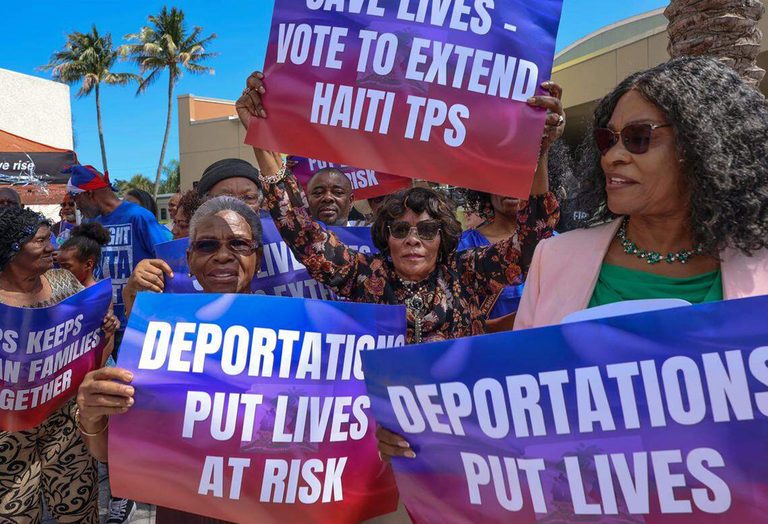
The US Supreme Court’s decision to end Temporary Protected Status (TPS) for Haitians could lead to a significant shortage of caregivers in the US healthcare system. Lawmakers from both parties have expressed concerns that the deportation of over 330,000 Haitian TPS holders will exacerbate the existing caregiving crisis.
Impact on Healthcare
About 13,000 Haitian TPS holders work as nursing assistants, caring for approximately 65,000 patients. Another 8,000 Haitian caregivers serve 12,000 children and aging people. The loss of these caregivers will be felt most acutely in states like Florida, which has the largest population of TPS recipients.
Healthcare experts warn that the deportation of Haitian TPS holders will add pressure to an already strained system. The US is expected to need more caregivers in the future, with the 65-and-up population projected to increase by 42% by 2050.
Reasons for High Numbers in Direct Care
Experts point to several reasons why Haitian TPS holders are overrepresented in direct care, including job availability, easier certification processes, and prior experience caring for family members.
David Grabowski, a Harvard Medical School healthcare policy professor, noted that the positions are ‘extremely difficult to fill’ due to their physically and emotionally demanding nature, low pay, and limited employee benefits.
Original reporting: NBC6 Miami — read the source article.