Federal, state and local law enforcement have teamed up to expand a coordinated enforcement initiative into Austin, Dallas-Fort Worth and San Antonio, and this article walks through what that growth means for Texans and their communities. The piece looks at how the partnership will operate, what neighborhoods and agencies are likely to feel the effects first, and what residents should expect in day-to-day life across those metro areas. I describe the players involved and the practical consequences for public safety, civil liberties and local cooperation.
The expansion brings a joint task force model to three major Texas metro regions, folding federal resources into ongoing state and local operations. That kind of integration is meant to speed information-sharing and target cross-jurisdictional criminal activity more effectively. Officials say the goal is to close gaps where criminals move between city and county lines looking for weaker enforcement.
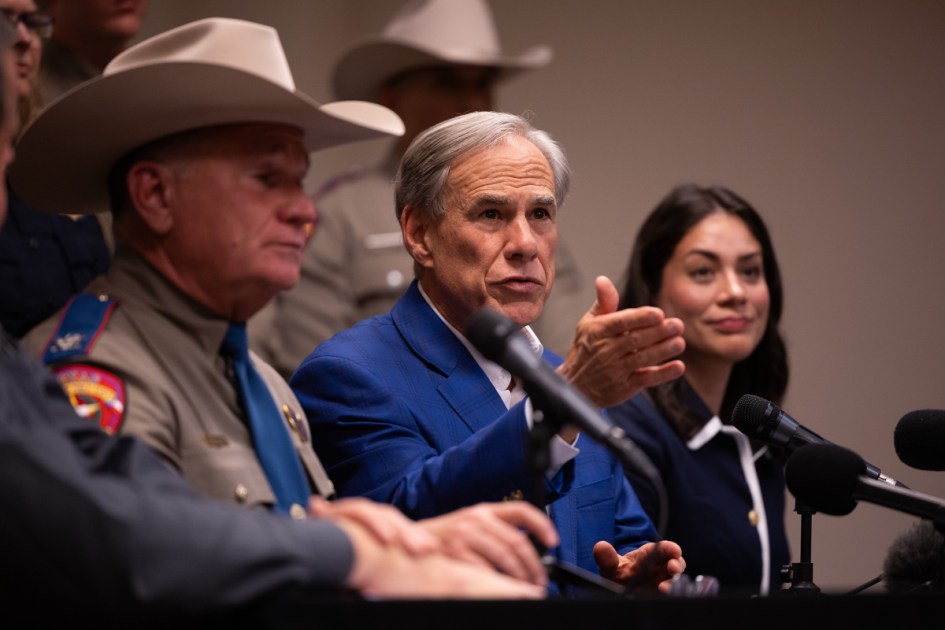
On the ground, that means deputies, state troopers and federal agents will coordinate patrols, investigations and prosecutions more tightly than before. Residents may notice an uptick in joint press briefings, combined task force vans and multi-agency checkpoints in strategic corridors. For community groups, that kind of visible cooperation can be reassuring or unsettling depending on past experiences with law enforcement.
Local police chiefs in Austin and San Antonio told reporters they welcome extra investigative capacity for complex cases that cross city limits. In Dallas-Fort Worth, where multiple municipalities border each other closely, the added federal support is seen as a way to tackle organized networks that exploit patchwork jurisdictions. Those leaders emphasize targeted interventions instead of broad sweeps, at least in public statements.
Civil liberties advocates have raised questions about oversight and accountability when different levels of government work side by side. They want clear rules about data sharing, consent searches and how audits will be conducted when multiple agencies hold different records. Transparency will be essential to maintain public trust while maximizing the operational benefits of the collaboration.
Budget-wise, the partnership lets local agencies leverage federal grants and state funds to expand investigations without shouldering the full cost alone. That can be a big help for smaller departments in suburban counties around Dallas-Fort Worth that face steady growth but limited staffing. Still, long-term funding commitments and the allocation of overtime or equipment need careful negotiation to avoid straining municipal budgets.
For everyday residents, the immediate impact will vary by neighborhood. In some parts of all three metro areas, people may see more traffic stops, property checks and surveillance resources aimed at known hotspots. Elsewhere, the arrival of combined law enforcement teams might be mostly behind-the-scenes: shared databases, coordinated warrants and faster interstate cooperation that the public notices only when cases are solved.
Community leaders and elected officials have an opportunity to shape how the expansion plays out by insisting on clear rules of engagement and public reporting. Regular town hall meetings, publicly available memos about data use and joint oversight panels could ease tensions and make outcomes measurable. If that kind of structure is missing, however, skepticism will grow and the program risks losing community buy-in.
The way this initiative unfolds in Austin, Dallas-Fort Worth and San Antonio will be watched closely by other states considering similar models. Success will look like disrupted criminal networks, quicker case resolutions and stable partnerships that respect civil rights. Failure will show up as wasted funds, mission creep and eroded trust between neighborhoods and the agencies sworn to protect them.