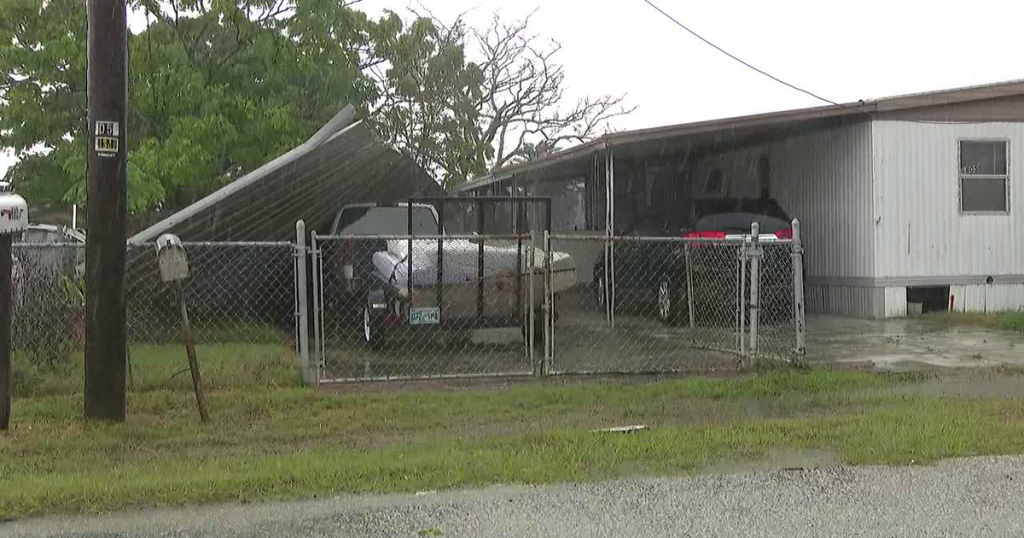
Two tornadoes touched down in Pasco County Tuesday afternoon as strong thunderstorms moved ashore from the Gulf, according to a preliminary damage survey released Wednesday by the National Weather Service in Ruskin. The survey from the National Weather Service in Ruskin is the first official word on what meteorologists found after crews inspected the damage. Local residents and emergency teams in Pasco County are dealing with the aftermath and watching forecasts for more stormy weather.
Storms rolling in from the Gulf packed enough punch to spin up twisters over land in Pasco County, and the NWS in Ruskin has documented those touches. Preliminary surveys usually include path, width and estimated intensity, and they guide cleanup and recovery priorities. Those initial findings help local authorities decide where to send crews and how to alert residents about hazards like downed power lines and debris.
When tornadoes touch down near populated areas the immediate concerns are safety and access, and Pasco County saw both. Local roads can become hazardous quickly after a twister passes, with branches, wreckage and utility poles in the way. Emergency responders and public works teams typically move fast to clear critical routes so ambulances, fire crews and utility crews can reach the hardest-hit spots.
Damage surveys, like the one from Ruskin, are methodical and based on ground and sometimes aerial inspections. Meteorologists look at structural damage, tree fall patterns and other clues to estimate wind speeds and assign a rating. Those ratings are preliminary at first and can be refined as more information comes in and engineers weigh in.
Power outages and service interruptions are common after tornadoes, and customers in parts of Pasco County likely experienced outages as lines were damaged. Utility companies work to prioritize repairs to hospitals, water facilities and major traffic signals before moving on to residential neighborhoods. Restoring power safely can take time when crews have to navigate debris and assess downed lines for live power.
Local officials generally urge people to check on neighbors, especially seniors and anyone with mobility issues, following severe weather events. Community groups and volunteers often organize to help clear yards, distribute supplies and offer rides to shelters. That network of neighbors helping neighbors can make a big difference in the first days after a storm.
Homeowners and renters should document damage with photos and notes for insurance claims, and keep receipts for any emergency purchases like tarps or temporary housing. Many insurance policies require timely notice and proof of loss, and clear documentation speeds claims processing. If roofs or windows are compromised, temporary fixes that prevent further water damage are critical until professional repairs can be scheduled.
Public safety messages after tornado reports focus on hazards that linger long after the funnels are gone, including weakened structures, broken glass and displaced wildlife. Even areas that look stable can hide hidden damage to foundations or supports, so officials often recommend professional inspections before re-entering heavily damaged buildings. For many residents, the emotional shock is as real as the physical damage, and local mental health resources are sometimes included in recovery plans.
Weather forecasting teams will continue to monitor the Gulf and the broader region for instability and storms that could bring additional rounds of severe weather. While tornado reports are often localized, the same storm systems can produce heavy rain, flooding and damaging straight-line winds elsewhere. Staying tuned to local forecasts and warnings from the National Weather Service in Ruskin or county emergency management remains the best way to stay safe.
Cleanup and recovery in Pasco County will be a coordinated effort between county crews, state resources and volunteer groups that step up after disasters. Debris removal, road repairs and utility restoration are typically phased so that critical services come back first. Residents should follow guidance from county officials about when and where to bring storm debris to avoid impeding recovery operations.
For anyone affected by the tornadoes, practical steps include avoiding downed power lines, steering clear of unstable trees and checking on neighbors when conditions allow. If you must enter a damaged building, wear sturdy shoes and gloves, and watch for nails, glass and slippery surfaces. Officials will post information about shelters, distribution centers and helplines as those resources are arranged.
In the days after the tornadoes, more detailed findings from the National Weather Service in Ruskin may clarify the path and strength of each twister, and those updates will inform rebuilding and insurance processes. For now, Pasco County residents and responders are focused on safety, recovery and making neighborhoods livable again after the storms moved ashore from the Gulf.