There is something quietly wonderful about walking into a small-town museum and realizing, within about thirty seconds, that you are in exactly the right place. That is precisely what happened to me the first time I pushed open the door of the Woodland Park History Museum, tucked inside the historic 1891 Woodland Park Town Hall building on Carr Avenue in the heart of downtown. The moment I stepped inside, the smell of old wood and lovingly preserved artifacts told me this was no dusty afterthought — this was a labor of love, and the story it tells is genuinely fascinating.
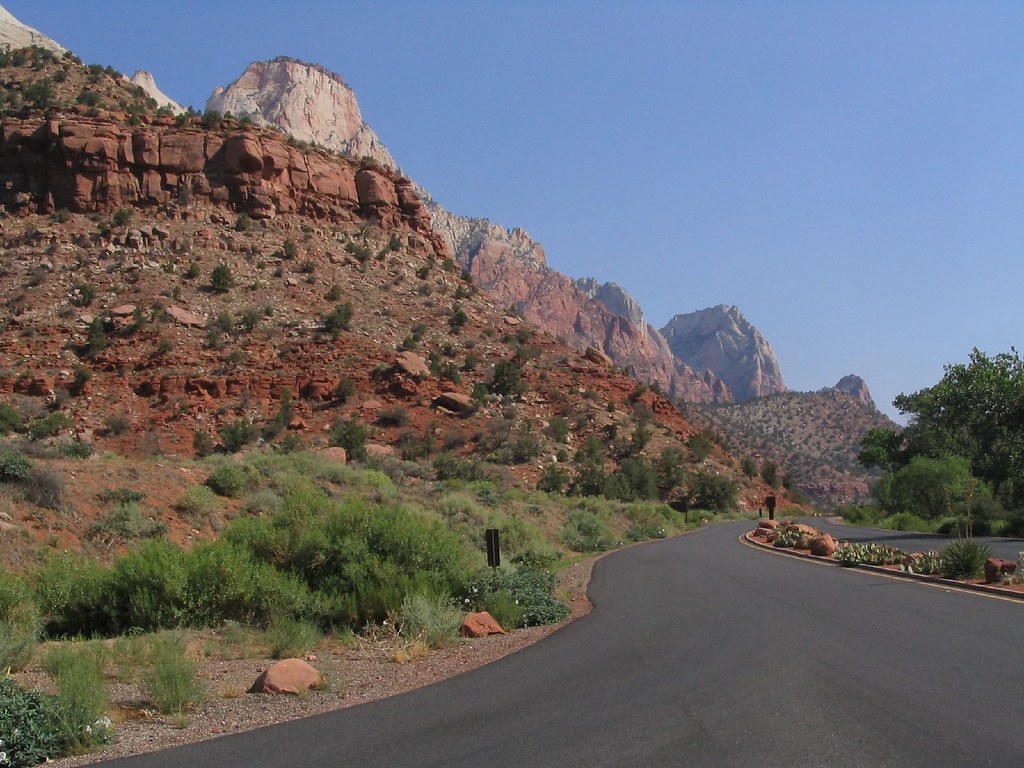
Woodland Park sits at 8,465 feet in a wide mountain valley that the Ute people called home for centuries before Colorado was even a twinkle in a settler’s eye. The museum traces that full arc — from Indigenous history and the dramatic arrival of the railroad in the late 1800s, through the timber boom that built this town board by board, all the way to the eccentric early tourism era when city-weary visitors from Colorado Springs and Denver would ride up the mountain just to breathe the cool Pikes Peak air. The exhibits do not simply list dates on placards. They show you the actual tools, photographs, clothing, and furniture that real Teller County families used. You get a tactile, human sense of what life at altitude actually looked like.
One of the standout displays is the collection of early 20th-century photographs of the Pikes Peak Highway construction — a project so audacious and physically grueling that it almost defies belief when you see the images. The workers look both exhausted and quietly proud, and standing there looking at their faces, you feel a genuine connection to the place you are visiting. That is the best thing a local museum can do, and this one does it consistently.
The building itself deserves mention. The old town hall has good bones — high ceilings, wide-planked floors, and the kind of architectural character that modern construction simply cannot replicate. It feels appropriate that Woodland Park’s history lives inside one of its oldest surviving structures. The museum is operated by volunteers who are, without exception, enthusiastic and knowledgeable. Ask them a question and be prepared for a wonderfully detailed answer.
Admission is free, though donations are warmly welcomed and genuinely put to good use. Plan to spend at least an hour, longer if you fall into conversation with the staff, which is almost inevitable. The museum is open seasonally, so check current hours before you go — a quick call or a glance at the Teller County Regional History Museum’s information will set you straight.
Before you hike a trail or order your first beer at a local tap room, come here first. Understanding a place makes every other experience in it richer. Woodland Park has more history than most people expect, and this museum is exactly where that story begins.