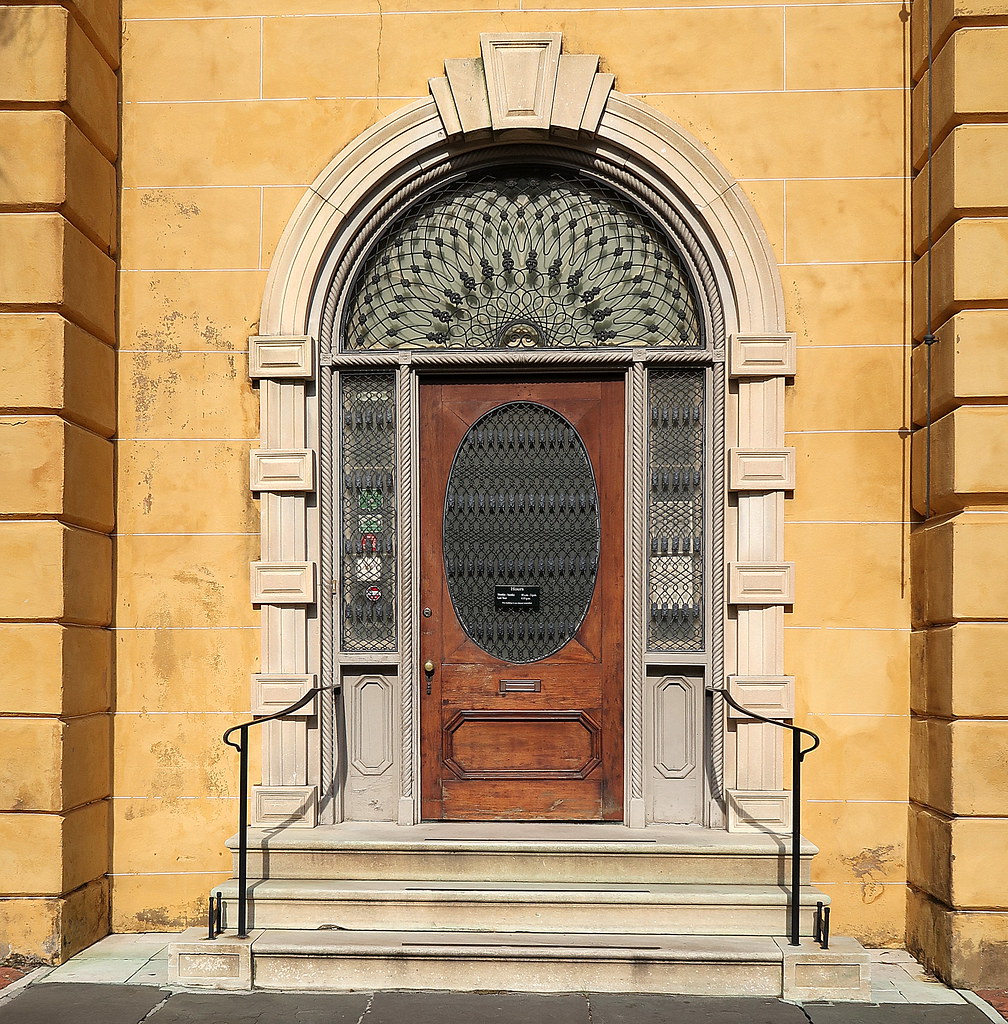
There are historic houses, and then there is the Aiken-Rhett House. Tucked into Charleston’s Upper Peninsula neighborhood on Elizabeth Street, this circa-1820 urban mansion operates on a completely different level from any other historic site I have ever visited. The Historic Charleston Foundation made a deliberate and courageous choice here: rather than restore the property to a gleaming, idealized version of its former self, they chose to preserve it — authentically, imperfectly, and unforgettably — exactly as it was found. The result is one of the most atmospheric and emotionally resonant places in the entire American South.
Walking through the front door feels less like entering a museum and more like stepping into a moment frozen mid-breath. The wallpaper peels in elegant, melancholy curls. Paint layers from different eras ghost through each other on the plaster walls. Chandeliers hang exactly where they were left. The furniture, artworks, and personal belongings of the Aiken family remain in their original positions, accumulating nearly two centuries of quiet history. No roped-off rooms, no theatrical recreations — just the honest, unvarnished passage of time.
Governor William Aiken Jr. and his wife Harriet were among the wealthiest people in antebellum America, and the house reflects that staggering prosperity. The main residence is grand and beautifully proportioned, filled with European art and furnishings the couple collected during extensive travels abroad. But what truly sets this property apart from every other plantation house tour in the region is what stands behind the main house: the original, largely intact urban slave quarters and outbuildings. The carriage house, stables, privies, and the two-story quarters where enslaved men, women, and children lived and worked still stand on the property, and they are included in every self-guided audio tour.
The Historic Charleston Foundation deserves enormous credit for presenting the full story of this household — not just the lives of the wealthy family inside, but the lives of the nearly 700 enslaved people who were owned by the Aikens across their various properties. The audio tour weaves together both narratives with care, scholarship, and moral seriousness. It is not a comfortable experience in places, nor should it be. It is, however, an essential one.
The self-guided format, with a well-produced audio guide available on your smartphone or a loaner device, means you move at your own pace, which feels exactly right for a place this layered. Plan on spending at least ninety minutes, possibly more if you linger in the outbuildings as I always do.
The Aiken-Rhett House is open most days of the week and tickets are very reasonably priced, especially considering the depth of the experience. It sits just a short walk from Marion Square and the heart of downtown Charleston, making it an easy addition to any itinerary. If you visit only one historic house in Charleston — and frankly, you should visit several — make it this one. Nothing else comes close to its raw, unfiltered honesty about who we were and what that past cost.