There is a moment, somewhere between the ruby-red slippers of Judy Garland and the battered campaign flag carried by George Washington’s Continental Army, when you realize that the National Museum of American History is not simply a collection of objects. It is, in the most literal sense, the physical memory of the United States — and visiting it feels less like a field trip and more like being invited into the attic of the nation itself.
Located right on the National Mall between 12th and 14th Streets NW, the museum is part of the Smithsonian family but has a personality all its own. Where some institutions ask you to stand back and admire, this one pulls you in close. The exhibits here are tactile in spirit, layered in narrative, and genuinely surprising no matter how many times you have walked through the doors.
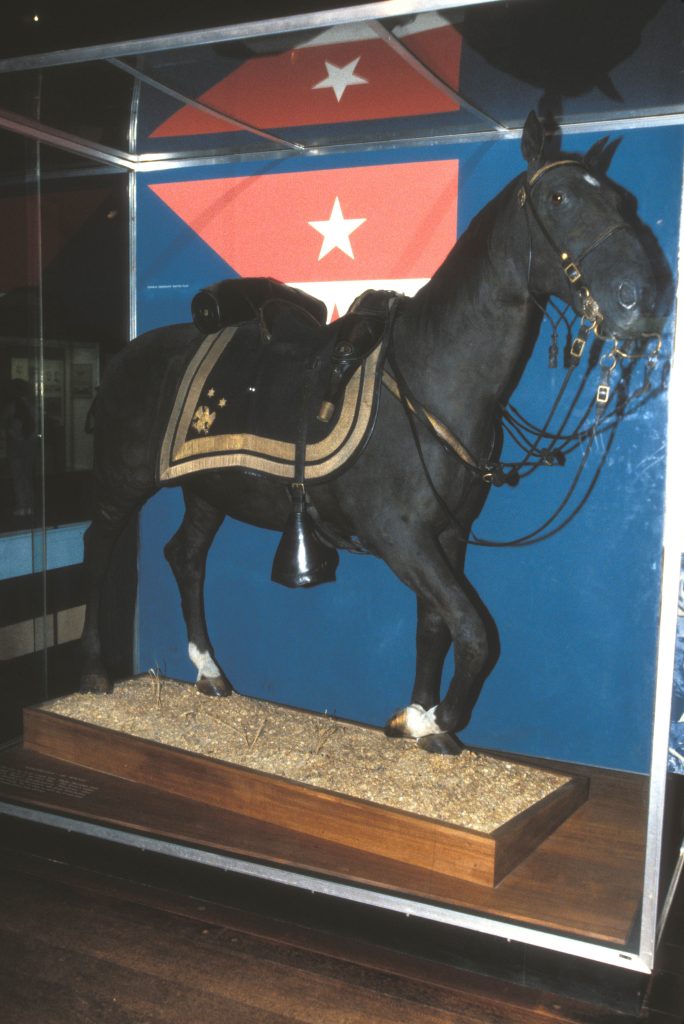
Start on the third floor with “The Price of Freedom: Americans at War,” a sweeping, sobering, and ultimately stirring look at military history from the colonial era to the present day. The weapons, uniforms, and personal letters on display manage to be both intimate and epic — you will find yourself lingering over a handwritten note from a Civil War soldier far longer than you expected to. From there, make your way to the first floor, where the original Star-Spangled Banner — the actual flag that inspired Francis Scott Key — hangs in a climate-controlled gallery bathed in quiet, reverent light. It is enormous, worn, and deeply moving.
But the museum rewards wanderers just as richly as planners. Duck into the “American Democracy” exhibition and you will encounter voting machines, protest placards, and presidential memorabilia that give real texture to the ongoing American experiment. Swing by the “Food: Transforming the American Table” gallery and you will find Julia Child’s actual Cambridge kitchen, transplanted wholesale — every pot, every utensil, every scribbled note on the wall exactly where she left it. It is one of the most charming room-sized artifacts in any museum, anywhere.
Families with children will find plenty to hold young attention spans, and the museum’s layout is generous enough that you never feel crowded or rushed. The on-site café is a perfectly decent spot to recharge, and the gift shop carries books and prints that are actually worth buying.
Admission is free, as with all Smithsonian museums, and the building is open daily on the National Mall. Whether you have two hours or an entire afternoon, the National Museum of American History delivers something rare: a place where history does not feel distant or dusty, but alive, contested, and genuinely worth caring about. Plan to go. You will leave knowing this country a little better than when you walked in.