There is a moment, standing on the platform of the Lincoln Depot in downtown Springfield, when the weight of American history settles gently onto your shoulders. This is the spot where Abraham Lincoln stood on a gray February morning in 1861, looked out at a crowd of friends and neighbors he had known for decades, and said goodbye to the city that had shaped him. He never returned. And yet, somehow, this modest brick building on the corner of Monroe and Ninth Streets manages to hold all of that emotion without being heavy-handed about it.
The Lincoln Depot — formally known as the Great Western Depot — is one of Springfield’s most rewarding stops, and it remains genuinely undervisited compared to some of the louder attractions in town. That is a shame, because what you find here is something rare: a historic site that lets the story breathe. The building has been beautifully restored to reflect its 1861 appearance, and stepping inside feels less like entering a museum and more like stepping into a well-preserved memory.
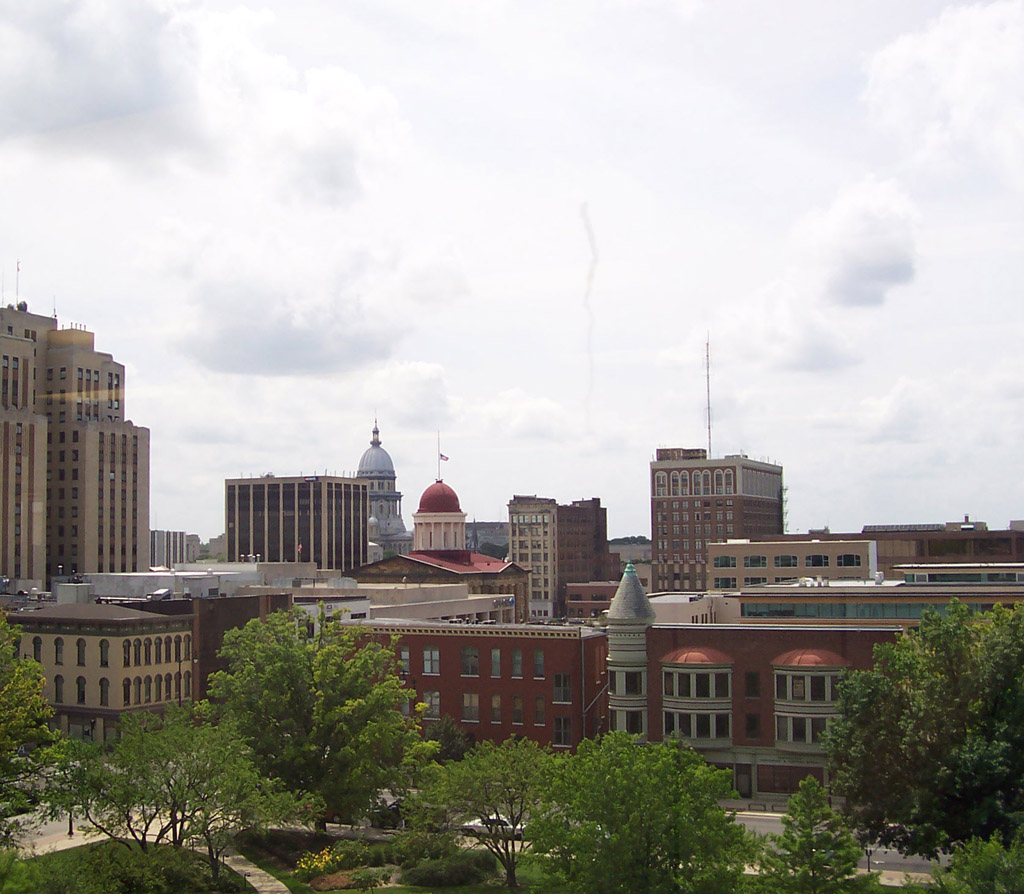
The depot sits just a few blocks south of the Old State Capitol Plaza, making it an easy walk from the heart of downtown. Parking is readily available nearby, and admission is free — which, frankly, makes it even harder to justify skipping. From May through August, the site is open daily, and knowledgeable staff are on hand to answer questions and add context that you simply cannot get from reading a placard.
Inside, you will find exhibits that tell the story of Lincoln’s farewell through period photographs, interpretive displays, and recordings that reconstruct the atmosphere of that February departure. The exhibit does not try to dramatize what was already dramatic on its own. Lincoln’s farewell address — delivered extemporaneously from this very platform — is considered one of the most emotionally powerful speeches he ever gave, and reading his words in the place where they were first spoken gives them an entirely different resonance.
What sets the Lincoln Depot apart from grander presidential sites is its intimacy. You are not navigating a vast complex or standing behind velvet ropes at a distance. The scale is human. The building is modest. And that modesty is precisely the point — this is where Lincoln, still a private citizen in his final hours in Springfield, showed a rare flash of vulnerability to the people who loved him.
Whether you are a history enthusiast, a casual visitor, or someone who simply appreciates a well-told story in an authentic setting, the Lincoln Depot delivers something meaningful. Plan to spend thirty to forty-five minutes here, pair it with a stroll through the nearby Lincoln neighborhood, and leave with a fuller picture of the man behind the monument. Springfield has no shortage of Lincoln sites, but this one has a quiet power all its own.