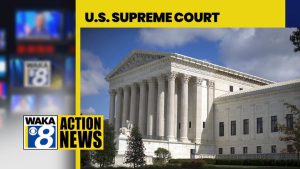
The Supreme Court is expected to address the issue of birthright citizenship, which has been a topic of debate in the U.S. The practice, which grants automatic citizenship to nearly everyone born on U.S. soil, is soon to face Supreme Court judgment.
Background on Birthright Citizenship
Birthright citizenship became law in 1868 when the 14th Amendment was ratified in the aftermath of the Civil War, in part to ensure that former slaves would be citizens. In the late 1800s, in the case of Wong Kim Ark, a man born in the U.S. to Chinese parents, it was expanded to include children of immigrants.
There are a tiny number of exceptions, mostly for children born in the U.S. to foreign diplomats. The Supreme Court has ruled that anyone born in the U.S. is a citizen, including if their parents are in the U.S. illegally or temporarily.
Trump Administration’s Challenge
The Trump administration has been vocal about its opposition to birthright citizenship, with President Donald Trump calling it a "disgrace" and "the dumbest immigration policy in the world". The administration has argued that the 14th Amendment does not guarantee citizenship to children born to parents who are in the U.S. illegally.
However, during oral arguments on the case, even some conservative Supreme Court justices questioned the administration’s approach. The court’s decision is expected to have significant implications for the future of birthright citizenship in the U.S.
Original reporting: Dallas TX News (HLL/CB) — read the source article.