
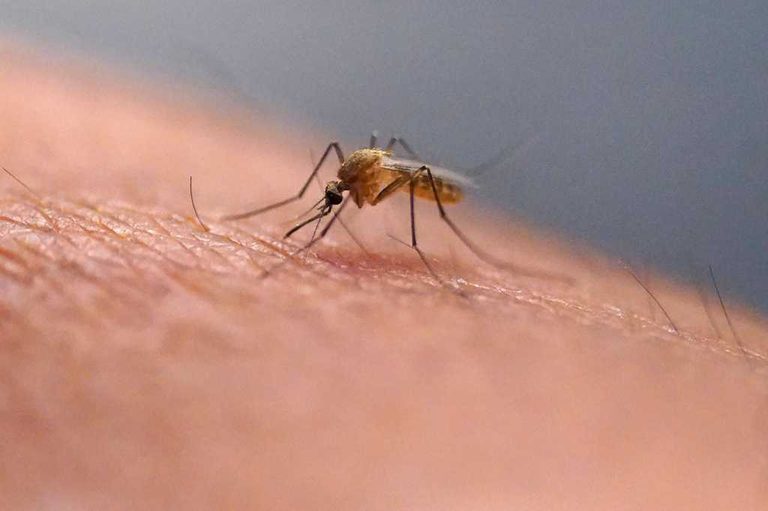
Scratching that bug bite might feel good at first, but science explains why it’s a bad idea. Doctors have long warned that scratching too much can damage the skin. Researchers have now found out why even a mildly annoying itch could put you on an itch-and-scratch cycle if you give in.
Understanding the Itch-Scratch Cycle
A team of researchers, led by Dr. Daniel Kaplan, a University of Pittsburgh dermatologist, studied immune reactions in skin. They explored a type of itch called allergic contact dermatitis, caused by irritants such as poison ivy or nickel in jewelry. The team put a rash-inducing irritant on the ears of mice and found that normal mice scratched, and inflammatory immune cells rushed to the site, increasing swelling.
The researchers also found that mice bred with defective itch-sensing nerve cells had much milder rashes. To determine if the difference was really due to scratching, they put normal mice into collars that prevented them from scratching. These mice also had much less swelling and fewer inflammatory cells.
Breaking the Itch-Scratch Cycle
Dr. Kaplan’s team took a deeper look at mast cells, among the immune system’s first responders. They release compounds that can help fight germs or toxins, or trigger itchy allergic reactions. The team found that pain-sensing nerve cells release a chemical messenger called substance P, which can activate mast cells and lead to further inflammation.
While scratching may provide temporary relief, it can ultimately make the itch worse. Dr. Kaplan recommends using anti-itch balms such as hydrocortisone cream, calamine lotion, or oatmeal baths to help alleviate the itch. Menthol-containing creams can also temporarily fool the skin into sensing cold instead of itch, helping to break the itch-scratch cycle.
Original reporting: 40/29 / KHBS (NW Arkansas) — read the source article.


