
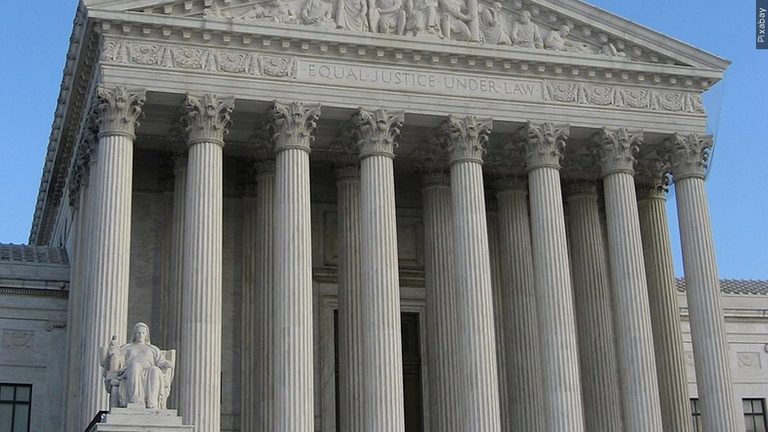
The Supreme Court on Monday ruled in a 5-4 decision that federal election statutes do not override states’ ability to set their own policies for handling late-arriving mail-in ballots. This decision is a win for the 29 states that currently accept some timely cast but late-arriving mail-in ballots.
Background
The case was brought by the Republican Party, which sought to block the counting of late-arriving mail-in ballots in Mississippi. The state had defended its policy of accepting ballots up to five days after voting had ended.
Justice Amy Coney Barrett, writing for the majority, stated that the Framers recognized the difficulty of crafting election laws applicable to every probable change in the situation of the country. She noted that the power to set election policies was not lodged in the Supreme Court, but rather with the states.
Implications
The decision is seen as a loss for the Trump administration, which has pushed to override state election rules nationwide by imposing strict federal limits on voting by mail. The president called the Supreme Court’s decision a ‘tremendous loss’ and again called on Congress to pass the SAVE America Act, his signature election and voting reforms legislation.
Voting rights advocates have argued that decades of legal precedent supported the primary authority of states to run their own elections. Rural, overseas, and disabled voters had feared a higher risk of having ballots rejected if delivery is delayed, according to election watchdog groups.
Original reporting: El Paso News (HLL/CB) — read the source article.


