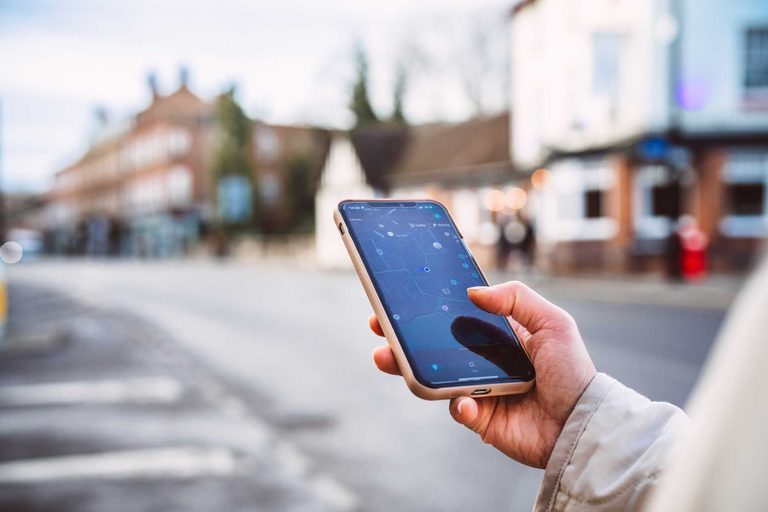
The Supreme Court has ruled that constitutional privacy protections extend to cellphone location information, in a decision that could have significant implications for law enforcement and individual privacy. The case centered on a bank robber whose identity was discovered through a geofence warrant, which allowed police to gather location data from cellphones near the scene of the crime.
Background of the Case
The case involved Okello Chatrie, who was accused of robbing a bank in a suburb of Richmond, Virginia. Police obtained a geofence warrant to gather location data from cellphones near the bank, which led them to Chatrie’s phone. They then obtained a search warrant for his home, where they found nearly $100,000 in cash, including bills wrapped in bands signed by the bank teller.
Chatrie’s lawyers argued that the warrant was a violation of his privacy, as it allowed police to gather location data from people who were not suspected of any crime. The Supreme Court agreed, ruling that people do not forfeit their expectation of privacy when they opt into location services on their cellphones.
Implications of the Ruling
The ruling is the latest effort by the Supreme Court to apply constitutional provisions to new technologies. The decision could have significant implications for law enforcement, which has increasingly relied on geofence warrants to gather evidence in investigations. It could also have implications for individual privacy, as it establishes that people have a reasonable expectation of privacy in their location data.
Original reporting: KCCI Des Moines — read the source article.