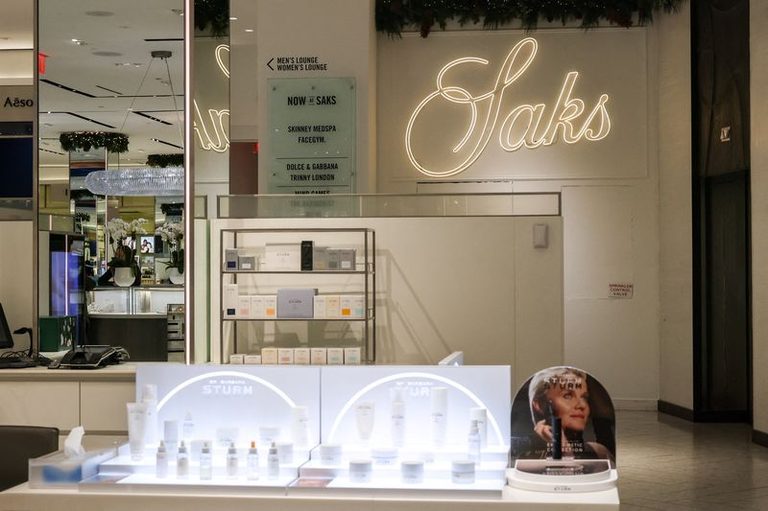
Saks Global, now renamed Exemplar Luxury Group, has emerged from bankruptcy with a renewed focus on upscale luxury. The company has streamlined its strategy, closing underperforming stores and focusing on its best-performing premium outlets.
Financial Restructuring
Saks has reduced its debt by 75% to approximately $1.2 billion and has handed control to its senior lenders. The company aims to achieve revenue growth at a compound annual rate of 7% between fiscal years 2027 and 2030.
However, Saks faces challenges in winning back customers in a strained luxury market. Luxury brands often prioritize their own proprietary stores, and rivals such as Bloomingdale’s and Nordstrom have taken advantage of Saks’ troubles to attract business.
Luxury Market Trends
The luxury market is becoming increasingly competitive, with brands seeking more control over their inventory to shield themselves from financial turmoil. Saks is maintaining hundreds of concession and consignment agreements, which allow vendors to lease space in its department stores or retain control of their products until they are sold.
Smaller luxury brands may struggle to compete, as they often lack the capital to secure exclusive agreements. This could further concentrate the market, favoring established brands with more resources.
Original reporting: Appleton, WI News Feed (HLL/CB) — read the source article.