There are museums, and then there are places that stop you cold in your tracks and make you forget what time it is. The Pima Air & Space Museum, tucked along the southeastern edge of Tucson near the Davis-Monthan Air Force Base corridor on East Valencia Road, is absolutely the latter. I walked in expecting a pleasant afternoon and walked out four hours later, sunburned, exhilarated, and already planning my return visit.
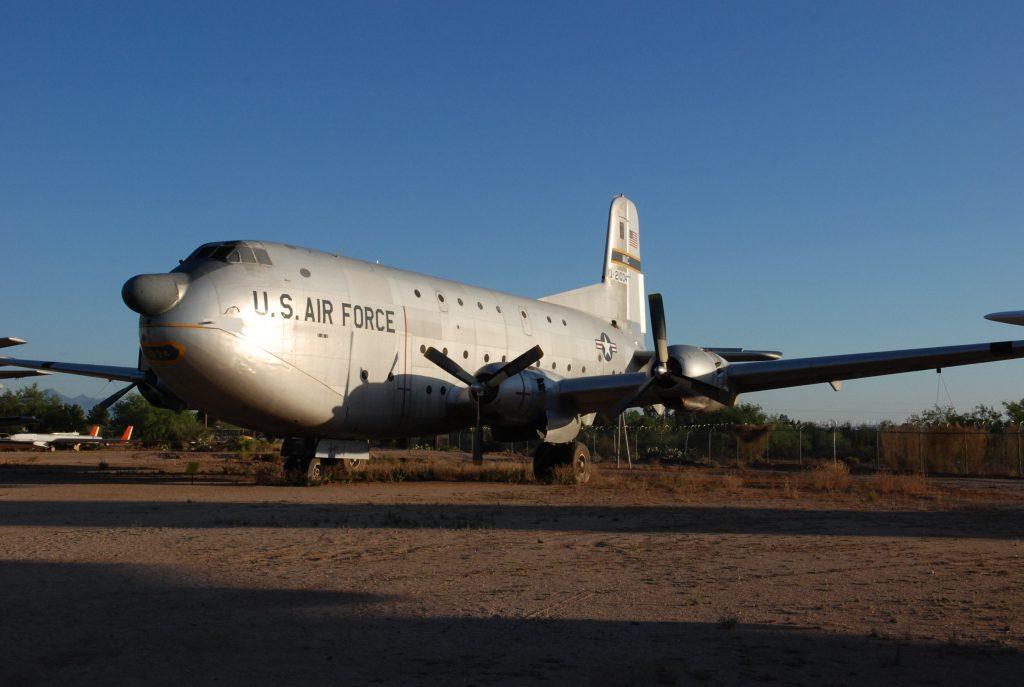
This is no ordinary aviation museum. Spread across 80 acres of open Sonoran Desert, the Pima Air & Space Museum is home to more than 400 aircraft, making it one of the largest non-governmental air and space museums in the entire world. Let that sink in for a moment. Over 400 aircraft. From a Wright Brothers Flyer replica to a sleek SR-71 Blackbird to a retired Space Shuttle mock-up, the sheer variety of what you encounter here is genuinely staggering.
The outdoor grounds are where the experience truly comes alive. You wander between massive bombers, nimble fighter jets, and Cold War-era icons in the open desert air, with the Santa Catalina Mountains rising in the background. It is one of those only-in-Tucson scenes that feels cinematic. The dry climate is no accident either — it is the reason so many aircraft have been preserved here in such remarkable condition. The desert is essentially a natural preservation chamber, and the museum takes full advantage of that.
Inside the hangars, the storytelling deepens considerably. Each of the five climate-controlled hangars is organized around a different era or theme of aviation history, and the exhibits are thoughtfully curated with enough depth to satisfy history buffs without overwhelming casual visitors. One hangar pays tribute to women in aviation, another chronicles the space race with authentic artifacts, and a dedicated area honors the Tuskegee Airmen with moving personal accounts and period photographs.
For those wanting to go even further, the museum offers tram tours through the adjacent “Boneyard” — the 309th Aerospace Maintenance and Regeneration Group, where thousands of retired military aircraft are stored in long, orderly rows across the desert floor. Seeing that from above on the tram is one of those views that genuinely takes your breath away. Tours must be booked in advance, so plan accordingly.
Families will find plenty to keep everyone engaged, and there is a charming gift shop stocked with quality souvenirs rather than the usual trinkets. Arrive early on weekdays if you prefer a quieter experience, and wear comfortable shoes — you will cover serious ground. Admission is reasonably priced, and the museum regularly hosts special events, night tours, and seasonal programs that give even repeat visitors a reason to come back.
Whether you are an aviation enthusiast, a history lover, or simply someone who appreciates extraordinary experiences in unexpected places, the Pima Air & Space Museum earns every moment of your time. Tucson has a way of surprising people, and this place might just be its most spectacular open secret.