A rifle-toting war reporter, Mark Kellogg, died with Lt. Col. George Armstrong Custer at the Battle of Little Bighorn 150 years ago. Kellogg was embedded with Custer’s troops, reporting for The Bismarck Tribune and New York Herald. The Associated Press circulated his reports across the country.
Background
Kellogg, 43, was one of five civilians killed alongside Custer and his men. He was a widower who worked various jobs to support his two daughters. Kellogg had gotten to know Custer and mingled with the soldiers at their camps, according to historian Sandy Barnard.
Kellogg’s last published dispatch read in part: ‘I go with Custer and will be at the death.’ Although it was more of an attempt at poetry than prophecy, Kellogg’s final words and fate circulated far and wide through his employers and the AP, giving him fame in death.
Legacy
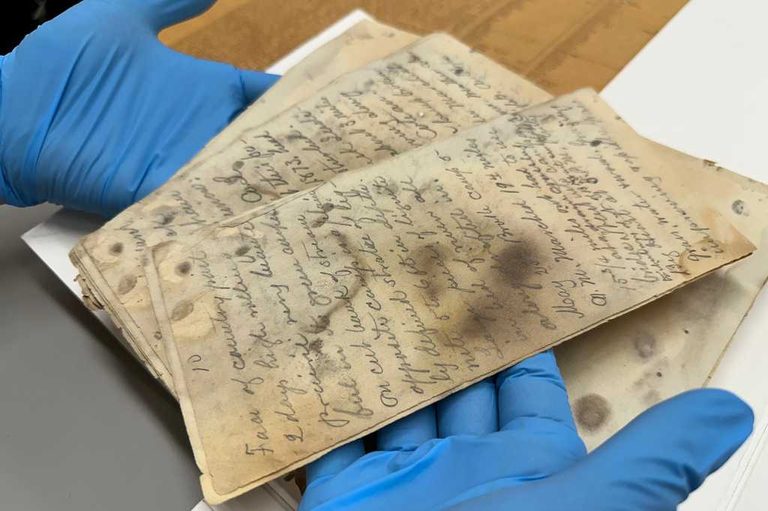
The State Historical Society of North Dakota preserves Kellogg’s diary and various belongings, including eyeglasses, tobacco, clothing, and a mosquito head net. The fragile diary, now digitized online, documents weather, distances covered, and other day-to-day operations.
Kellogg was different from modern journalists, as he carried a rifle into action and made no attempt to avoid bias or racism against Native Americans, whom he called ‘red devils.’ Despite these differences, Kellogg was doing exactly what modern reporters do in combat zones, according to Barnard.
Over the 180-year history of The Associated Press, 38 journalists have fallen on the job while working for the independent not-for-profit news organization. Others who have perished while reporting for AP in war zones include Mariam Dagga, Anja Niedringhaus, Myles Tierney, and Joseph Morton.
Original reporting: WPBF West Palm Beach — read the source article.