There are places in this world that reach out and grab you by the collar before you even set foot inside. Sloss Furnaces, rising from the flatlands of downtown Birmingham’s Elyton neighborhood like some magnificent industrial cathedral, is absolutely one of them. I walked through the main gate on a clear October morning, and within sixty seconds I had my phone out, jaw loose, trying to figure out how to capture something that simply refuses to fit inside a camera frame.
Sloss Furnaces operated as a pig-iron producing blast furnace from 1882 all the way through 1971 — nearly ninety years of roaring fire, molten metal, and the sweat of thousands of Birmingham workers who quite literally built this city from the ground up. When the furnaces finally went cold, Birmingham did something remarkable rather than demolish them: the city preserved the entire complex and opened it as a museum in 1983. Today it stands as one of the few remaining examples of a fully intact 19th-century blast furnace site in the entire United States, and it carries a National Historic Landmark designation to prove it.
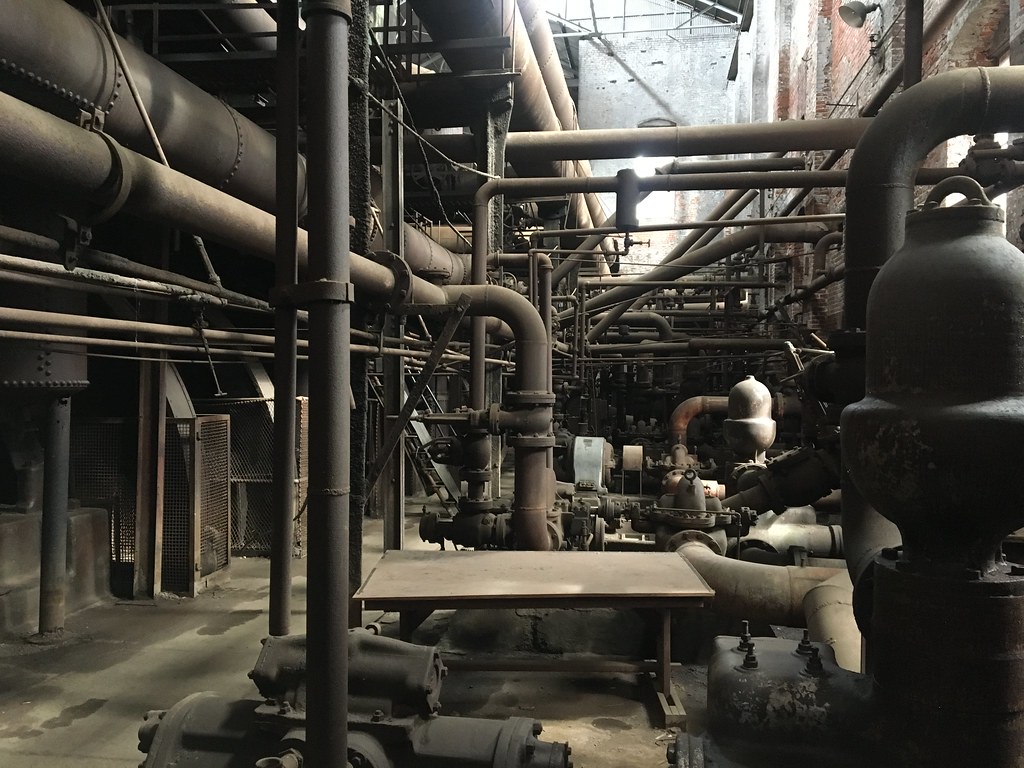
Walking the grounds feels like stepping into a fever dream designed by an industrial poet. Massive iron pipes twist overhead. Enormous blowing engines — the machines that forced air into the furnaces to sustain combustion — squat inside cavernous engine houses like sleeping giants. Catwalks connect towers that rise four and five stories into the Alabama sky. And all of it is open to you. This is not a roped-off, look-but-don’t-touch kind of museum. You can wander freely, peer into the dark bellies of the furnaces, climb to elevated walkways, and feel the genuine weight of history pressing in around you. Interpretive signage throughout the site tells the real story: the labor, the danger, the ingenuity, and the remarkable diversity of the workforce that kept these fires burning for generations.
Beyond its role as a museum, Sloss Furnaces has become one of Birmingham’s most vibrant cultural gathering spots. The site hosts Sloss Music and Arts Festival each summer, drawing nationally recognized musical acts to perform against that otherworldly iron backdrop. Come fall, the furnaces transform into Sloss Fright Furnace, one of the Southeast’s most celebrated haunted attractions, pulling crowds from across the region. The on-site metal arts program runs year-round, offering blacksmithing and casting workshops where you can actually learn to work with iron in the same tradition as the furnace workers who came before.
The neighborhood context matters here too. Sloss sits just minutes from downtown Birmingham, easily reachable from the interstate, with ample free parking right on site. A visit pairs beautifully with a meal in the nearby Avondale or Woodlawn neighborhoods before or after, making for a full and satisfying day in the city.
Admission to the museum grounds is free, which somehow makes the whole experience feel even more generous. There is no pressure, no ticket counter nudging you to hurry along. You are simply invited to come, stay as long as you like, and let this place do what it does best: remind you that Birmingham’s story is one of fire, resilience, and an almost stubborn refusal to be anything less than extraordinary.
If you visit Birmingham and skip Sloss Furnaces, you have left the city without meeting its soul. Do yourself the favor. Go early, wear comfortable shoes, and bring your curiosity. The iron city is waiting to tell you everything.