There are museums you visit out of obligation, and then there are museums that stop you cold in your tracks and make you forget you were ever in a hurry. The Musical Instrument Museum in northeast Phoenix — tucked into a gleaming, sun-warmed building near the 101 and Tatum Boulevard — is firmly in the second category. I walked in expecting a quiet afternoon and walked out three hours later wondering how I’d spent so many years in this city without making it a regular ritual.
The MIM is the only museum of its kind in the world, and that’s not promotional hyperbole — it genuinely earns the title. The collection spans more than 200 countries and territories, housing over 7,000 instruments from every corner of the globe. You’ll move from a gallery showcasing West African koras and talking drums to one filled with ornate Viennese keyboard instruments from the 18th century, and then turn a corner into a display on the sitar traditions of India. The breadth is staggering, but what keeps it from feeling overwhelming is the museum’s brilliance of curation and, most notably, its technology.
Every visitor receives a wireless headset upon entry. As you approach each exhibit, the audio automatically activates — you hear the actual instruments being played in their cultural context, often accompanied by video of musicians performing. Standing in front of a beautifully carved Andean charango and suddenly hearing it ring out in your ears is a quietly electric experience. It bridges the gap between artifact and living tradition in a way that photographs and placards simply cannot.
The Experience Gallery on the lower level is worth the visit on its own. Here, you can sit down and actually play instruments — drums, guitars, keyboards, and more — which makes it ideal if you’re bringing children, though plenty of adults (myself included) spend far too long at the drum kit. There’s no embarrassment required. Everyone’s too absorbed in their own discovery to notice.
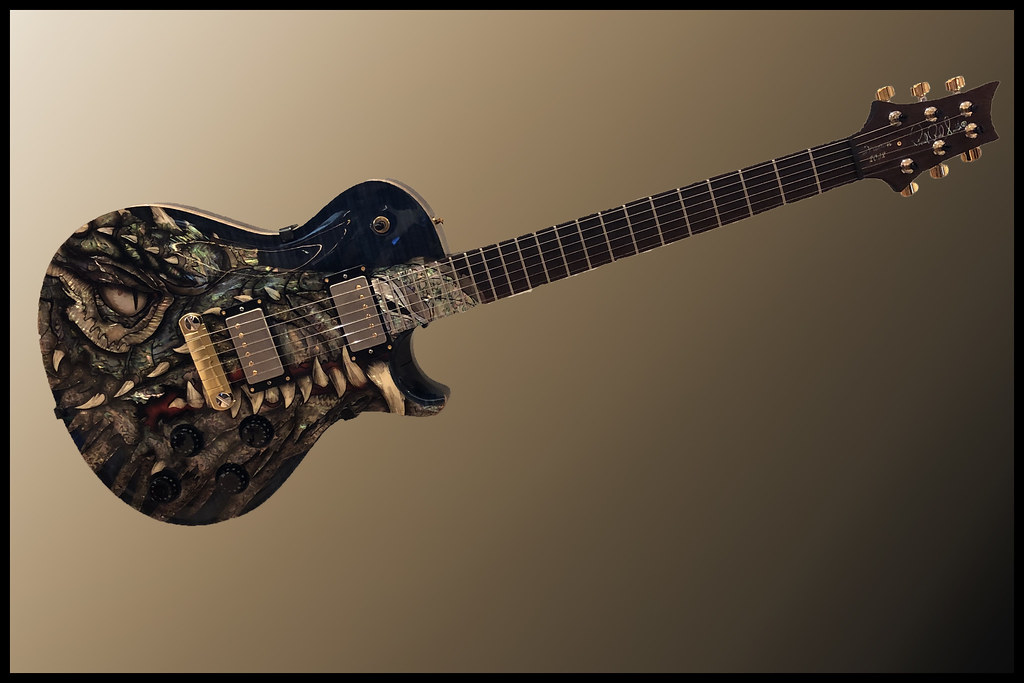
The Artist Gallery is another standout. It pays tribute to iconic musicians — Elvis, Taylor Swift, Carlos Santana, and many others — through instruments they actually played and personal memorabilia. It feels intimate rather than commercial, a genuine celebration of artistry across generations and genres.
Plan to have lunch at the on-site Café Allegro, which serves a thoughtful menu of sandwiches, salads, and warm entrées. The space is airy and relaxed, and the outdoor terrace has a lovely view of the McDowell Mountains. It’s the kind of place that earns a slow, unhurried afternoon.
Admission is reasonable — around $25 for adults — and the museum is open Tuesday through Sunday. Parking is free and plentiful. The neighborhood itself, near Scottsdale’s northern border, is easy to navigate and pairs well with a drive through the surrounding desert landscape.
What the Musical Instrument Museum does better than almost any other institution in Phoenix is remind you that music is one of the most fundamental things human beings share across culture, geography, and time. You leave feeling connected to something larger than yourself. That’s a rare thing for a Tuesday afternoon, and reason enough to go.