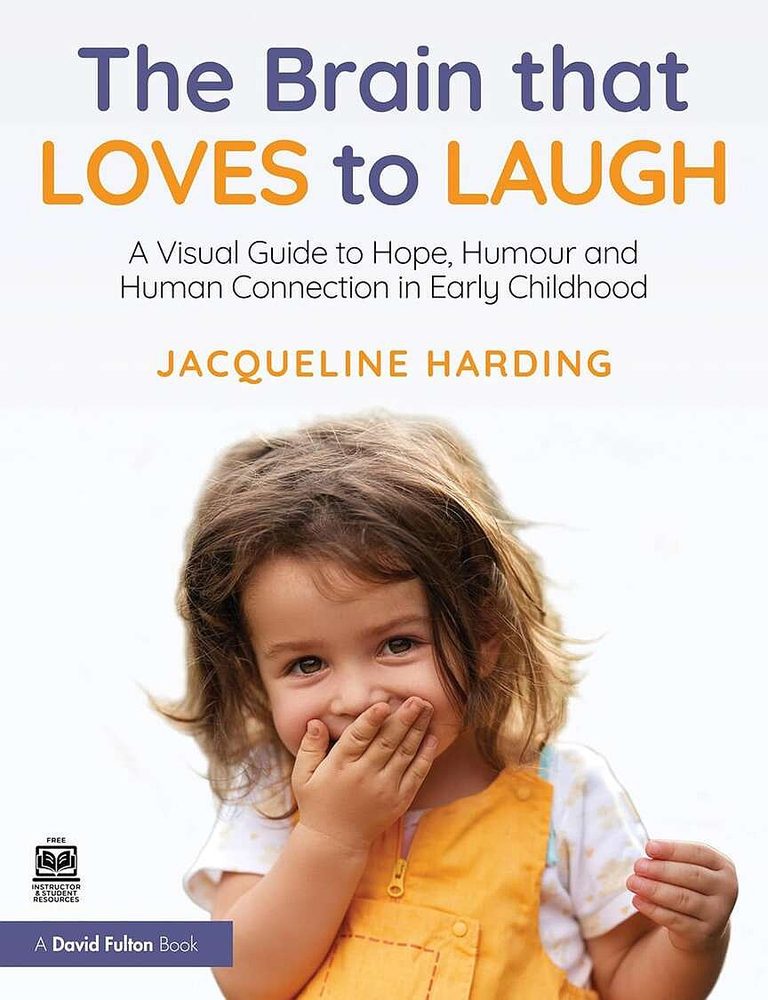
A new book, ‘The Brain That Loves To Laugh,’ explains that a child’s laugh is foundational to the healthy development of a young brain. Child development expert Jacqueline Harding points out that laughing is a complex biological phenomenon that comes before a kid learns to talk and plays a big part in neural development.
Benefits of Laughter
Laughing engages motor areas of the brain and the prefrontal cortex, which challenges the brain to predict and resolve tension between conflicting ideas and can offer a mental workout that enhances creative thought. The ill-effects of anxiety, worry, and stress have long been assessed by medics and scientists, with numerous studies suggesting a link to cognitive decline and the onset of depression.
Laughter, on the other hand, reduces cortisol and epinephrine, the so-called stress hormones, while at the same time spurring the production of dopamine, serotonin, and endorphins – the so-called ‘happy chemicals.’ Harding believes that humor is cognitively demanding and engages neuroplasticity, which is essential for a child’s development.
Original reporting: Texarkana Gazette — read the source article.