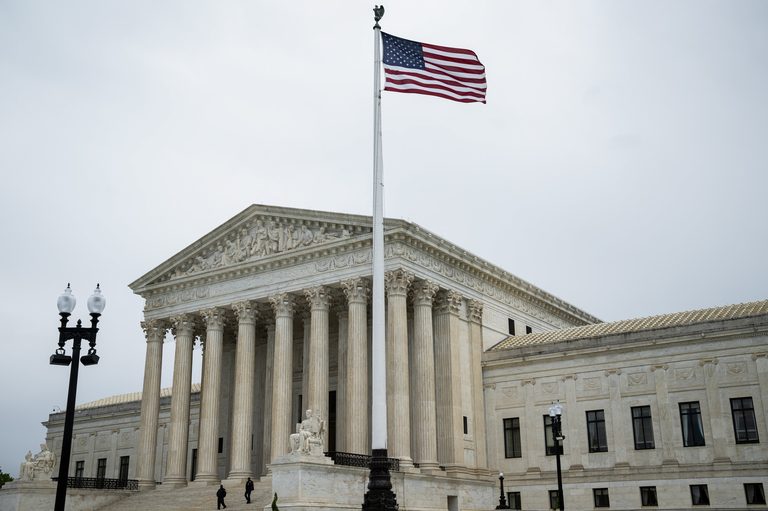
The Supreme Court has made a significant ruling regarding asylum seekers at the U.S.-Mexico border. In a 6-3 decision, the justices overturned a lower court order blocking the practice of metering, which limits the number of people who can apply for asylum each day.
Background on the Policy
Metering was first used under the Obama administration and was expanded during President Donald Trump’s first term. The policy was ended in 2020 due to the coronavirus pandemic and was formally rescinded by President Joe Biden in 2021.
The Trump administration argued that metering is a critical tool that has been used by presidents of both parties and should remain available. Federal attorneys claim that people turned away at the border could come back later, although lines were thousands of people long when the policy was in place before.
Implications of the Ruling
The Supreme Court’s decision is one of several immigration suits being considered this term, including Trump’s push to end birthright citizenship and his administration’s effort to strip legal temporary protections for migrants fleeing instability and armed conflict.
Under federal law, migrants who arrive in the U.S. must be able to apply for asylum and be screened for fear of persecution in their home countries. The Justice Department argued that people stopped by authorities haven’t arrived in the country, so immigration agents don’t have to let them apply.
The court’s conservative majority agreed, with Justice Samuel Alito writing, ‘A guest does not arrive in a house when he knocks on the front door.’ Justice Sonia Sotomayor dissented from the bench, saying that the majority’s opinion ‘regrettably and tragically extinguishes the light of the torch of the Statue of Liberty.’
Original reporting: Dallas TX News (HLL/CB) — read the source article.