There are places you visit, and then there are places that genuinely shift something in you. The Dayton Aviation Heritage National Historical Park is the second kind. Managed by the National Park Service and spread across several sites in and around downtown Dayton, this is where the story of human flight was quietly, stubbornly, brilliantly written — and visiting it feels less like a museum trip and more like stepping into one of history’s most remarkable chapters.
The park honors both the Wright Brothers and the poet Paul Laurence Dunbar, two sets of visionaries who grew up in the same city, breathed the same Ohio air, and changed the world in ways nobody around them could have fully imagined at the time. That dual focus gives the park an emotional depth that sets it apart from the average historical attraction.
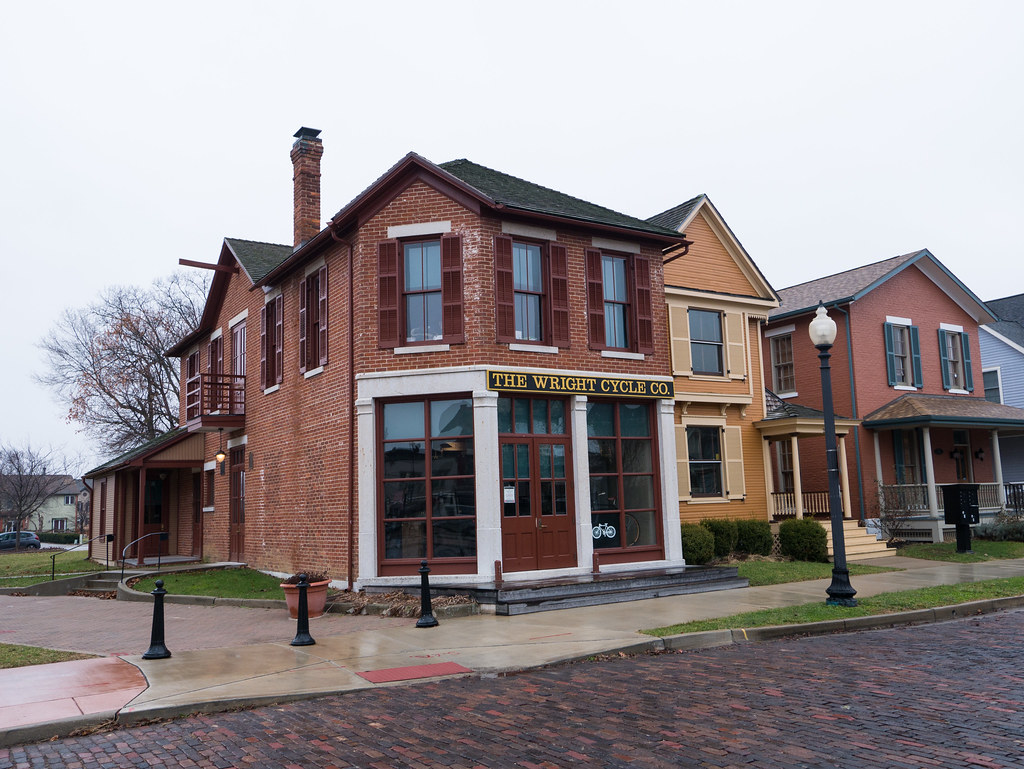
Start your visit at the Wright Cycle Company Complex on West Third Street in the heart of the Wright-Dunbar neighborhood. This is the actual building where Orville and Wilbur ran their bicycle shop — the workspace where tinkering turned into obsession and obsession turned into genius. Walking through it, you feel the scale of what was accomplished here with surprisingly modest tools and an almost absurd amount of determination. The National Park Service has done a beautiful job preserving the authenticity of the space without over-polishing it into something sterile.
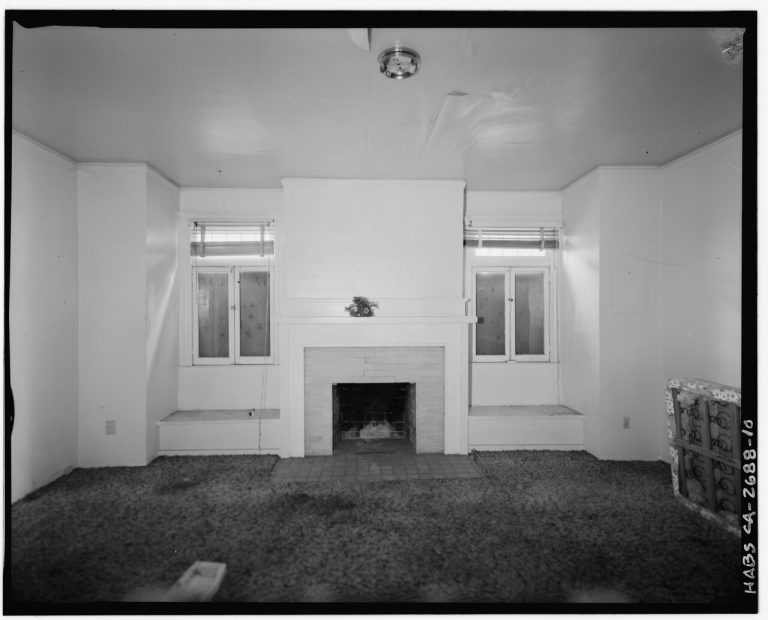
Just steps away is the Dunbar House, the Victorian home where Paul Laurence Dunbar lived with his mother. Dunbar, the son of formerly enslaved people, became one of the first African American poets to gain national recognition, and his friendship with Orville Wright adds a quietly moving thread to the whole experience. The house is filled with original furnishings and personal effects that make his life feel immediate and real.
What makes this park especially appealing is that it rewards a slow, unhurried visit. The interpretive rangers are genuinely knowledgeable and enthusiastic — ask them questions, because the stories they share go well beyond what the placards say. Plan to spend at least two to three hours across the sites, and consider timing your visit on a weekend when ranger-led programs are more likely to be running.
Admission to the park is free, which feels almost too good given the quality of the experience. Parking is straightforward, the neighborhood is walkable, and there are good coffee spots and lunch options nearby if you want to make a proper afternoon of it.
Dayton has an extraordinary aviation legacy that rightly gets celebrated, but this park reminds you that the city’s story is also one of creativity, perseverance, and imagination across every dimension of human endeavor. It’s the kind of place that leaves you thinking long after you’ve driven home.