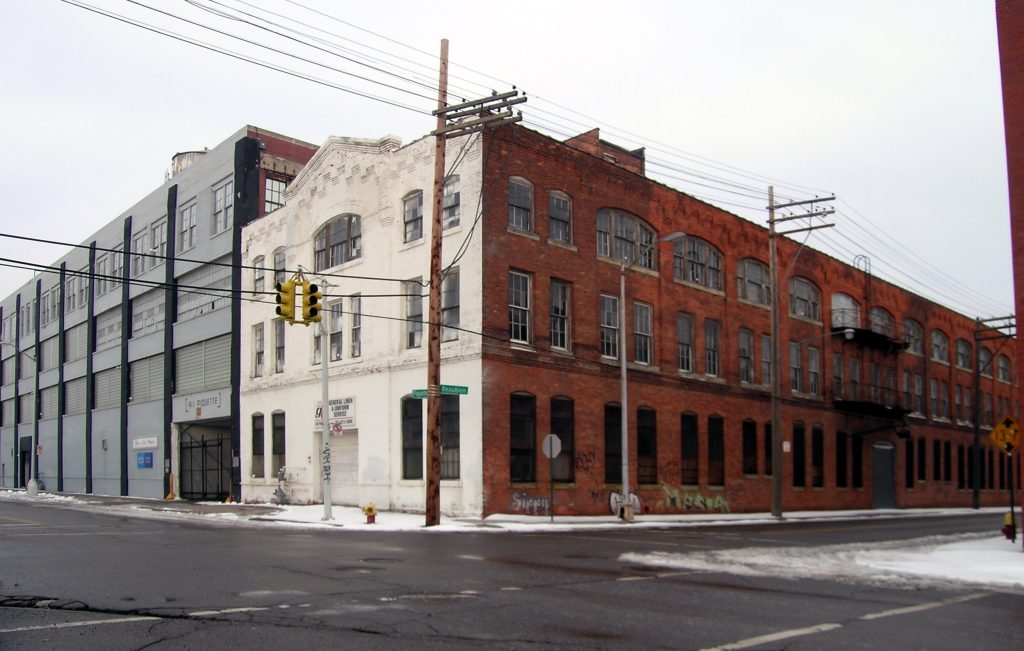
There are museums that display history behind velvet ropes, and then there is the Ford Piquette Avenue Plant — a place where history breathes, where you can press your palm against the same rough wooden floorboards that Henry Ford and a handful of determined engineers walked when they were quietly changing the world. If you have even a passing curiosity about American ingenuity, this modest brick building in Detroit’s New Center neighborhood will stop you cold in the best possible way.
Built in 1904, the Piquette Plant is the oldest surviving automobile factory associated with Ford Motor Company, and it holds a distinction that no other building on earth can claim: this is where the Model T was conceived and first assembled. In a small, secretive room on the third floor — a room Ford himself ordered locked so competitors couldn’t peek — a small team sketched, argued, and tinkered their way toward a car that would fundamentally reshape civilization. Standing in that room today, looking at the original workbenches and period tooling, you feel the weight of that moment. It is genuinely goosebump territory.
What makes Piquette so different from a typical auto museum is the intimacy of the experience. This is not a vast, impersonal hall of gleaming showpieces. The building is relatively compact, warmly lit, and staffed almost entirely by knowledgeable volunteers — many of them retired auto industry workers — who treat every visitor like a guest they have been waiting all week to see. Ask one of them a question and prepare to learn far more than you bargained for, in the best possible way. These are people who genuinely love this stuff, and their enthusiasm is contagious.
The collection of early Ford vehicles on display is remarkable. Rare Model Ns, Rs, and Ss are arranged alongside early Model Ts in various states of assembly, giving you a vivid sense of how production evolved almost month by month in those furiously innovative early years. Signage is clear and engaging without being overwhelming, and the overall pacing of the self-guided tour feels relaxed and comfortable — this is not a sprint through a highlight reel, it is a genuine exploration.
The plant sits in the Piquette Avenue Industrial Historic District, an area worth a slow drive or a short walk for anyone interested in Detroit’s built heritage. Parking is easy and free, which in a city neighborhood is its own small gift.
Admission is very reasonable, typically around ten to twelve dollars for adults, and the museum operates seasonally, so check the website at fordpiquetteplant.org before you go. Special events, including an enormously popular open house in September, draw enthusiasts from across the country and are absolutely worth timing your visit around.
Detroit has always been a city that made things, and no single address captures that spirit more honestly than 461 Piquette Avenue. Come ready to be moved by what a small group of people with an improbable idea managed to pull off inside these walls.