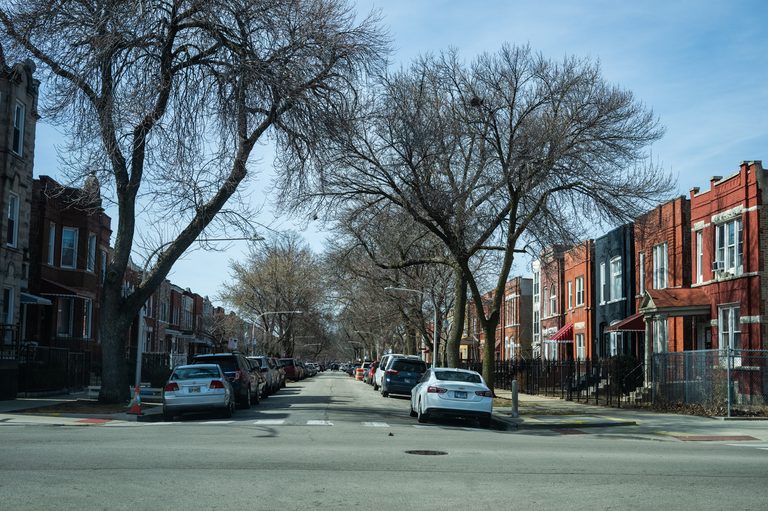
Residents of Chicago’s 26th Ward showed clear support for limiting new vacation‑rental units in parts of Humboldt Park, Logan Square and Belmont Cragin. In a non‑binding referendum held with the recent midterm election, roughly 74% of the 10,865 voters who answered the question voted “yes,” while about 26% voted “no.”
Local feedback fuels policy push
Alderman Jessie Fuentes (D‑26th) added the question to the ballot to gauge community sentiment. She said the results will guide her as she crafts possible legislation or enacts bans on new Airbnb‑type rentals in precincts where the city ordinance already permits such action. Fuentes emphasized that any new rules would not affect existing Airbnb listings.
Neighborhood concerns
Neighbors have complained that short‑term rentals can bring non‑residents who have been linked to incidents of violence in the area. “If neighbors are saying we should limit these and focus on keeping these units as housing for individuals, then we would draft legislation that limits Airbnbs in the precincts,” Fuentes explained.
Scale of short‑term rentals
Airbnb represents roughly one percent of the 26th Ward’s housing stock, according to a company spokesperson. However, Fuentes cited city licensing data showing the ward has 108 active Airbnb rentals—well above the citywide average per ward. Data from AirDNA indicates that short‑term rentals have risen since 2023 in Logan Square, Avondale and parts of Humboldt Park, peaking earlier this year.
Across the three neighborhoods, Airbnb listings account for 44% of short‑term rentals, with VRBO comprising about 13.5%. The total number of short‑term listings from Airbnb, VRBO and Booking.com is estimated at close to 100 in Humboldt Park, about 110 in Avondale, seven in Hermosa and roughly 450 in Logan Square, though some listings appear on multiple platforms.
What’s next?
Fuentes said she will use the strong voter signal to develop policy proposals that protect housing for local families while respecting existing rental agreements. The next steps will likely involve drafting ordinance language and presenting it to the Chicago City Council for consideration.
Original reporting: Block Club Chicago — read the source article.