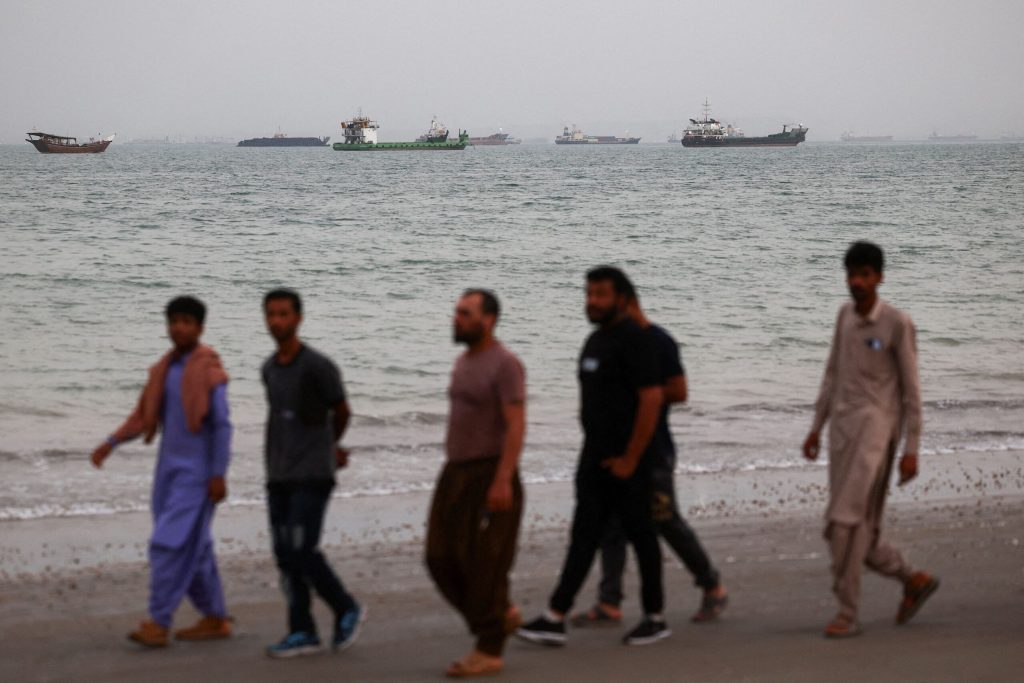
President Donald Trump announced that a comprehensive agreement between the United States and Iran has been largely negotiated, which includes reopening the strategic Strait of Hormuz. This development comes after extensive discussions involving regional leaders, including those from Saudi Arabia, the United Arab Emirates, and Israel.
Regional Support and Concerns
Trump communicated with Gulf and regional leaders, who expressed support for the proposed framework. Israeli Prime Minister Bibi Netanyahu was also involved in the discussions, with Israel voicing concerns over Iran’s nuclear program and enriched uranium. The US has reassured Israel regarding these issues.
Mississippi Senator Roger Wicker and South Carolina Senator Lindsey Graham have expressed caution about the potential peace deal, emphasizing the need for a strong stance against Iran’s influence in the region.
Negotiation Details
The talks, mediated by Qatar and Pakistan, aim to finalize a memorandum of understanding that would end the war and lift certain sanctions on Iran, though the nuclear issue remains unresolved. Iran’s Foreign Ministry has confirmed that discussions are ongoing, with a focus on ending the US naval blockade and releasing Tehran’s blocked assets overseas.
Despite progress, Iran’s chief negotiator, Mohammad Bagher Ghalibaf, stressed that Iran would not compromise on its national rights and remains prepared for any potential resumption of conflict.
The situation continues to evolve, with further announcements expected in the coming days as both sides work towards a more detailed agreement.
Original reporting: El Paso News (HLL/CB) — read the source article.