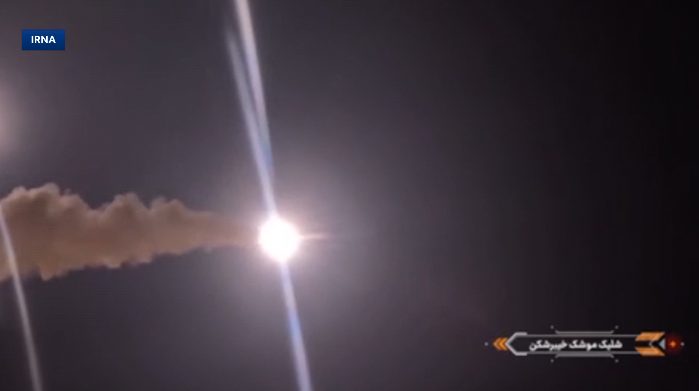
The United States ended a month‑long lull in hostilities with Iran on Sunday when U.S. Central Command ordered a limited strike against Iranian rocket launchers on an island in the strategic Strait of Hormuz. The operation, described by CENTCOM as a pre‑emptive move to stop the Islamic Revolutionary Guard Corps (IRGC) from laying naval mines, was framed as essential to protect civilian mariners, commercial shipping, and the free flow of global commerce.
Iran’s response and regional fallout
Tehran condemned the U.S. attack as a “deadly act of aggression” and retaliated on Monday by firing missiles toward U.S. bases in Jordan. The United Arab Emirates’ air force also reported intercepting drones over its territorial waters, though Iran has not claimed responsibility for those unmanned aircraft.
Trump administration’s strategic shift
The renewed exchange of fire comes just days after President Trump announced that his administration would prioritize economic warfare over further military action to bring an end to the seven‑month conflict. Speaking on Fox News’ “Sunday Night in America,” Trump dismissed the need for a diplomatic settlement, stating, “They’re a failing nation right now, and at the right point, we’ll either win, or they will do something. I don’t mind winning, just winning. I don’t need a signature on a piece of paper.”
U.S. Treasury Secretary Scott Bessent echoed the administration’s hard‑line stance, indicating that additional sanctions on Iranian financial institutions are imminent. In an interview with the Associated Press ahead of the G20 summit in Asheville, North Carolina, Bessent said he would meet with counterparts from other nations, including China—one of Iran’s largest economic partners—to discuss coordinated pressure. He rejected claims that the administration has been hesitant to confront China directly, insisting that “all options are on the table” for sanctioning Beijing.
Domestic implications
While reports have surfaced suggesting that American munitions stockpiles are dwindling, the Trump administration has labeled those claims as inaccurate, emphasizing that the United States remains fully capable of defending its interests abroad. The administration’s focus on sanctions aligns with its broader effort to leverage economic tools to compel Iran to cease hostile activities without escalating the conflict further.
Observers note that the latest strikes underscore the delicate balance the Trump administration seeks to maintain: demonstrating resolve against Iranian aggression while avoiding a broader war that could destabilize the region and threaten global energy markets.
Original reporting: WPBF (Treasure Coast / Hearst) — read the source article.