Welcoming a new baby is often described as one of life’s greatest moments, but for many new mothers, the weeks and months after giving birth can bring overwhelming feelings of sadness, anxiety, and isolation. Postpartum depression affects millions of women and families, yet studies show the disorder is often misunderstood.
Understanding Postpartum Depression
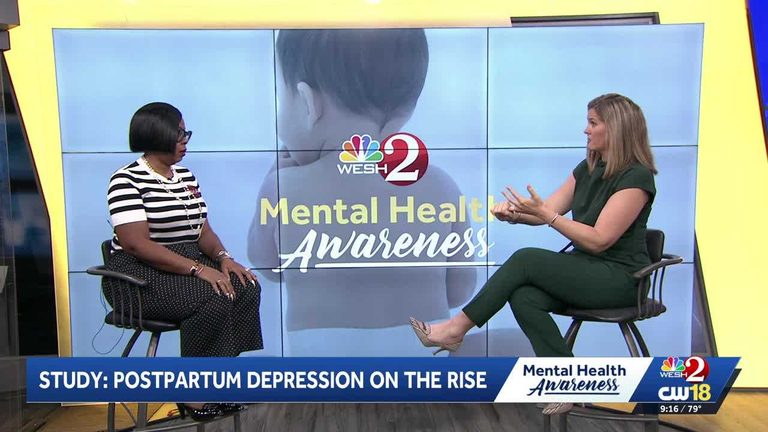
A 2024 study in the journal JAMA Network Open found that U.S. rates more than doubled in just over a decade, climbing from 9.4% in 2010 to 19% in 2021, due in part to improved screening and diagnosis. Licensed marriage and family therapist Cherlette McCullough joined WESH 2 to share steps women and their loved ones can take to prioritize maternal mental health.
McCullough addressed how families can tell the difference between baby blues and postpartum depression, emphasizing the importance of recognizing the signs. Baby blues typically last no more than two weeks after giving birth, while postpartum depression can persist for months. Warning signs of postpartum depression include feelings of numbness, loneliness, disconnection from the baby, irritability, anxiety, and fear.
Seeking Help and Support
For mothers who may feel seen for the first time, McCullough offered a message of encouragement. Postpartum depression doesn’t mean that you are a bad mom. You can be struggling and love your baby. It takes courage to just reach out for help. If a mom is listening and it’s hard to just reach out for help, do it. Helping moms have healthy babies is crucial.
McCullough also shared resources for mothers struggling with postpartum depression, including her own practice and Monarch Counseling, LLC. The National Maternal Mental Health Hotline is also available at (833) 943-5746. If you or someone you know needs support, the Suicide & Crisis Lifeline is available 24/7 at 988.
Original reporting: WESH Orlando — read the source article.