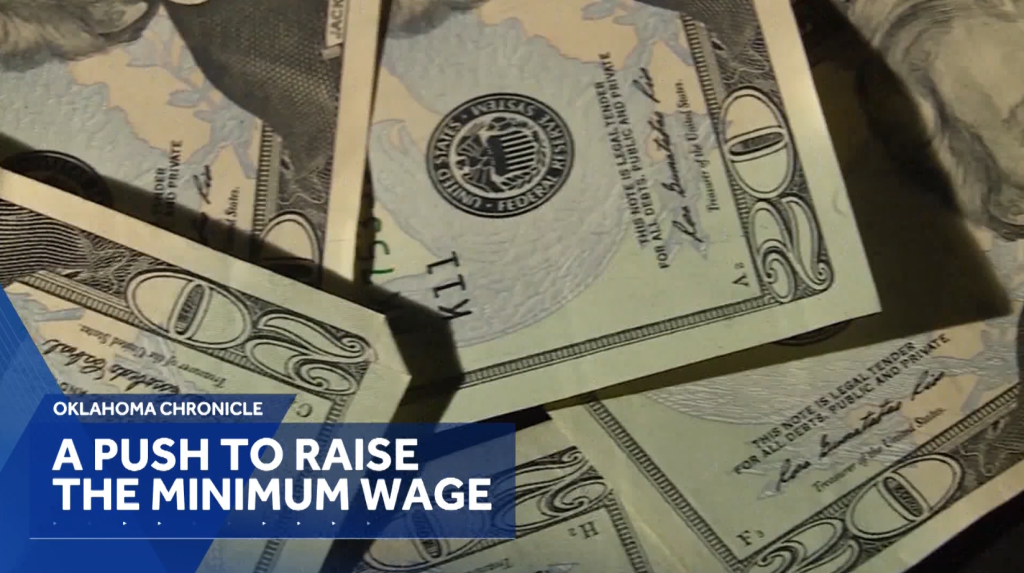
Oklahoma is at a crossroads as voters prepare to decide on State Question 832, a proposal to raise the state’s minimum wage from $7.25 to $15 an hour by 2029. The measure, which garnered over 180,000 signatures to make it onto the ballot, reflects a significant push from Oklahomans seeking economic change.
Support for the Increase
Amber England, spokesperson for the Yes on 832 campaign, argues that the increase is necessary due to the rising cost of living since the last federal minimum wage adjustment in 2009. She emphasizes that the measure could benefit approximately 350,000 Oklahomans and 200,000 children, as many families struggle with stagnant wages against increasing expenses.
England points out that the proposal includes a provision to tie future wage increases to inflation, ensuring that wages maintain their purchasing power over time. This approach, she argues, would prevent the need for future legislative action, which has been lacking for nearly two decades.
Opposition Concerns
On the other side, Adam Maxey, VP of government affairs at the state Chamber of Commerce, expresses concerns that the wage hike could lead to increased inflation and higher costs for consumers. He notes that many employers already pay above the current minimum wage to attract talent, suggesting that market forces are already addressing wage concerns without legislative intervention.
Maxey also questions the appropriateness of using a national inflation index, which includes cities like New York and San Francisco, to adjust wages in Oklahoma. He argues that such a measure may not accurately reflect the economic realities of rural areas in the state.
Economic Implications
The debate highlights broader economic concerns, such as the widening gap between urban and rural wages and the potential impact on local businesses. Proponents of the increase argue that higher wages will lead to increased consumer spending in local economies, while opponents warn of potential price hikes that could negate the benefits of higher wages.
As Oklahomans prepare to vote, the outcome of State Question 832 could set a precedent for how states address wage disparities and economic growth in the future.
Original reporting: Oklahoma City News Feed (HLL/CB) — read the source article.