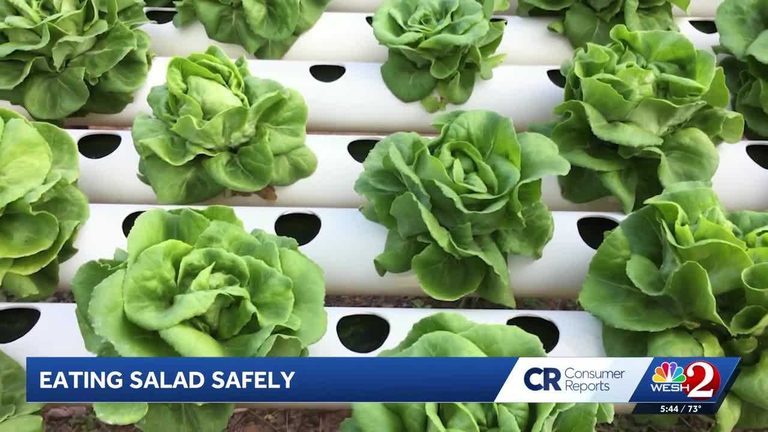
Families across the United States have heard the alarming news about a cyclosporiasis outbreak tied to iceberg lettuce processed at a Taylor Farms facility in central Mexico. The parasite has sickened thousands and has been linked to two deaths. Despite the headlines, Consumer Reports emphasizes that you do not have to abandon salads altogether. By handling produce carefully, you can protect your loved ones while still enjoying the nutritional benefits of fresh greens.
What the Outbreak Means for Shoppers
The Centers for Disease Control and Prevention (CDC) reports that the recalled lettuce products are now past their best‑by dates and should no longer be on store shelves or restaurant menus. Consumer Reports confirms there is no evidence that all lettuce or salad greens need to be avoided. The risk is limited to the specific batches that were contaminated during processing.
Why Proper Food‑Safety Practices Matter
Consumer Reports food‑safety expert James Rogers explains that produce is sourced internationally and moves through large distribution networks. “If one batch becomes contaminated during processing, it can affect a larger mix before it reaches store shelves,” he says. This makes it essential for consumers to take extra precautions once the produce is in their kitchen.
Simple Steps to Reduce the Parasite
- Wash with cold running water. Rinse lettuce, spinach, and other leafy greens under a steady stream of cold water. While washing cannot remove the parasite 100 percent, it significantly lowers the number of organisms.
- Practice good hand hygiene. Wash your hands with soap before handling produce and again after you finish preparing it.
- Sanitize cutting surfaces. Clean cutting boards, knives, and countertops with hot, soapy water before and after use.
- Cook when possible. Heating produce to at least 158 °F (70 °C) kills the parasite and any other food‑borne bacteria. This is especially useful for firmer items such as melons and cucumbers.
- Scrub or peel firm produce. For raw consumption, scrub the skins of melons, cucumbers, and similar foods, or peel them before slicing to keep outside contaminants from transferring to the edible portion.
Choosing Safer Options
Because the outbreak has spurred demand for locally grown alternatives, many markets now feature regional lettuce and mixed greens. Shopping at farmers’ markets or local grocery stores that source produce from nearby farms can reduce exposure to large‑scale processing facilities. However, even locally grown greens should be washed and handled with the same care.
What Parents Can Teach Their Children
Instilling good kitchen habits in children reinforces family health and aligns with the values of parental responsibility. Encourage kids to wash their hands before meals, help rinse vegetables, and understand why cooking certain foods is safer. These practices not only protect against the current outbreak but also build lifelong habits that guard against future food‑borne illnesses.
Bottom Line
Salad remains a nutritious component of a balanced diet. By following the straightforward food‑safety steps outlined above, families can continue to enjoy fresh greens without undue worry. Stay informed, practice diligent kitchen hygiene, and choose reputable sources for your produce to keep your household healthy during this outbreak.
Original reporting: WESH Orlando — read the source article.