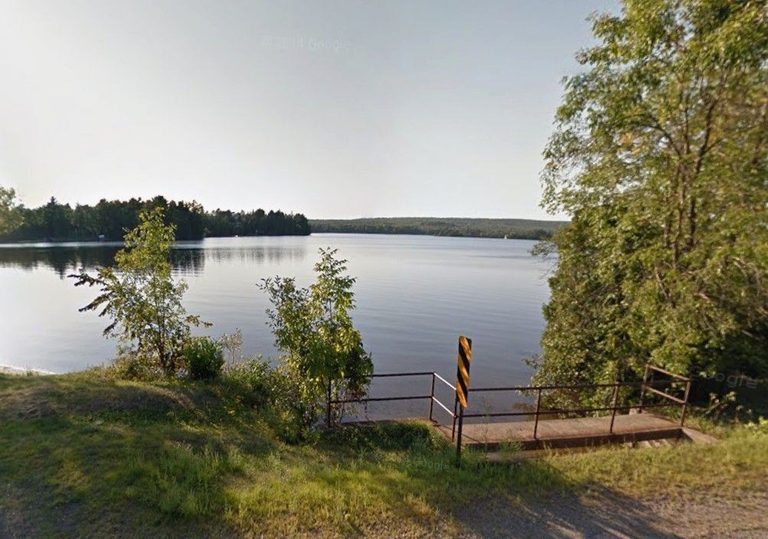
Georgetown County, SC – A tragic incident that unfolded on the coast of Georgetown County this weekend has led to criminal charges against the parents of 5‑year‑old Saylor Hayes. The child, who was nonverbal and autistic, wandered from a vacation rental on Old Waccamaw Drive in the Hagley Estates community near Pawleys Island and was discovered dead in the water less than a football field from where she was last seen.
Search and recovery effort
Authorities were alerted at 12:31 p.m. on Sunday, Aug. 30, after Saylor was reported missing. Deputies deployed Project Lifesaver tracking equipment at 2:25 p.m., and a helicopter with additional gear arrived at 3:10 p.m. Divers entered the water at 4:15 p.m. The multi‑agency response included the South Carolina Department of Natural Resources, State Law Enforcement Division, Charleston County Sheriff’s Office, U.S. Coast Guard, and several fire departments. At 9:45 a.m. on Monday, agents located Saylor’s body in the water.
Cause of death remains undetermined
Georgetown County Coroner Chase Ridgeway reported no visible signs of trauma. The cause and manner of death are pending an autopsy scheduled at the Medical University of South Carolina. No medical authority has publicly stated how Saylor died.
Parents arrested and charged
John Herb Hayes III, 70, and Geordyn Nichole Hayes, 31, were arrested Tuesday evening in Carter County, Tennessee, and booked into the Carter County Detention Center without bond. Each faces a felony count of unlawfully placing a child at risk and willful abandonment under South Carolina Code § 63‑5‑70. The statute requires prosecutors to prove the parents knowingly created an unreasonable risk to the child’s safety, a lower burden than homicide.
Project Lifesaver device not on child
Saylor had been enrolled in Project Lifesaver through the Washington County, Virginia Sheriff’s Office since June 2024. The ankle‑worn transmitter was confirmed to be functional and secured as recently as Aug. 11, 2026, but it was not on her when the search began. The device was later recovered in a vehicle on the Hayes family property in Virginia. Washington County Sheriff Blake Andis emphasized that Project Lifesaver is a voluntary program and that caregivers must ensure the transmitter remains properly secured and powered.
Local implications for Horry County
Horry County runs its own Project Lifesaver program, administered through Horry County E‑911 in partnership with the Myrtle Beach Police Department. The program serves residents and visiting families with conditions such as Alzheimer’s, Down syndrome, or autism, and relies on grants and donations rather than tax dollars. However, the system’s limitations are clear: the bracelet’s 3‑volt battery must be replaced roughly every 60 days, and the device cannot be tracked by a cellphone—specialized public‑safety receivers are required. If the battery dies or the band is removed, the technology is inert.
What families should know
The lesson for families in the Grand Strand area is straightforward: the Project Lifesaver bracelet is the entire system. Caregivers must check the device daily, keep it on the child at all times—including during travel, beach outings, and vehicle trips—and ensure the battery remains charged. Without those basic steps, the technology cannot provide the intended safety net.
Next steps
The Hayes parents have not entered pleas, and the case will proceed through the South Carolina courts after extradition from Tennessee. The investigation into Saylor’s death continues, and authorities have urged the public to remain vigilant when traveling with children who have wandering tendencies.
Original reporting: MyrtleBeachSC News — read the source article.