President Donald Trump’s proposal to end the ongoing conflict with Iran has sparked a heated debate among Republicans. While some lawmakers support the move towards negotiation, others fear it could lead to a missed opportunity to curb Iran’s influence in the Middle East.
Republican Reactions
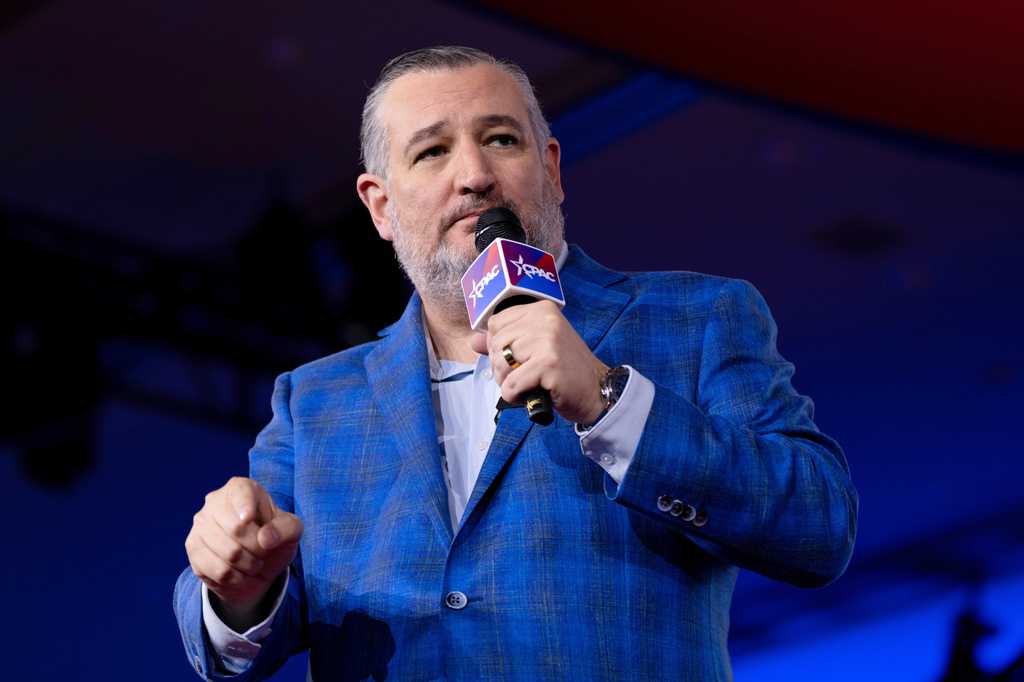
Senator Ted Cruz of Texas has been vocal in his criticism, arguing that the deal could empower Iran by allowing it to enrich uranium and maintain control over strategic regions like the Strait of Hormuz. Cruz expressed concerns that the deal could be a ‘disastrous mistake’ if it leaves Iran with significant power in the region.
Similarly, Senator Lindsey Graham of South Carolina has criticized any agreement that might leave Iran as a dominant regional force. He emphasized the potential threat to oil infrastructure in the Gulf if Iran’s position is not adequately checked.
Senator Roger Wicker, chairman of the Senate Armed Services Committee, has also questioned the proposed 60-day ceasefire, suggesting it could undermine the achievements of Operation Epic Fury.
Support for Negotiations
Despite the backlash, some Republicans have shown support for Trump’s approach. Senator Rand Paul of Kentucky defended the negotiations, stating that war typically ends with diplomatic talks and urging critics to allow Trump the space to find an ‘America First’ solution.
Under the proposed deal, Iran would end the conflict, reopen the Strait of Hormuz, and relinquish its stockpile of highly enriched uranium. Details and timelines are expected to be finalized during a 60-day negotiation period.
Public and Expert Opinions
The war, which began with a joint U.S.-Israel attack on Iran in February, has been unpopular with the American public, costing taxpayers $29 billion and resulting in the loss of 13 U.S. service members. The conflict has also disrupted global energy supplies, impacting the world economy.
Former Secretary of State Mike Pompeo and former National Security Adviser John Bolton have both expressed concerns that the emerging deal resembles the Obama-era nuclear agreement, which Trump previously withdrew from. They argue that the deal could enable Iran to pursue nuclear weapons and support global terrorism.
Secretary of State Marco Rubio, however, has reassured that no president has been stronger against Iran than Trump, emphasizing that the administration’s commitment to preventing a nuclear-armed Iran remains firm.
As the debate continues, the outcome of these negotiations will have significant implications for U.S. foreign policy and the stability of the Middle East.
Original reporting: KOAT Albuquerque — read the source article.