China’s special envoy for Pacific island affairs, Qian Bo, told reporters in Palau on Monday that Taiwan’s presence at the opening ceremony of the Pacific Islands Forum would “always” bring consequences. He emphasized that the warning was not a threat, but he stopped short of detailing what actions Beijing might take.
Why Taiwan’s attendance matters
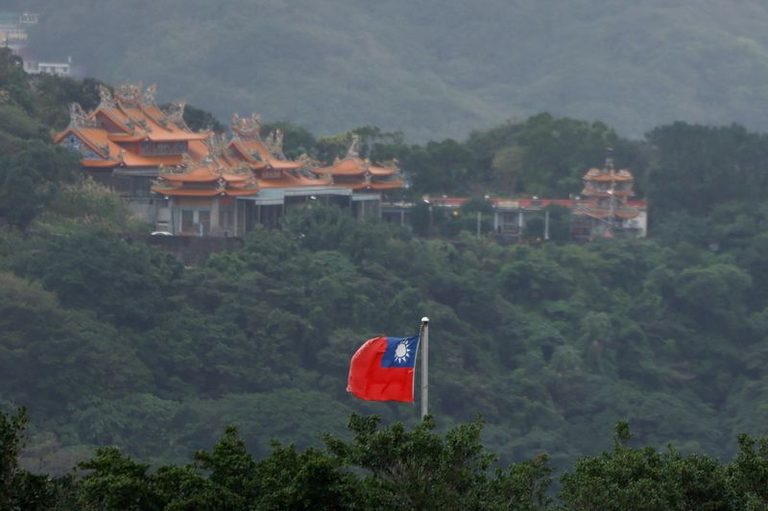
Taiwan, a self‑governing democracy, was invited to attend side meetings and events alongside the Forum’s 18 member nations. While it is not a formal dialogue partner like China, Taiwan participates as a development partner, a status that has long been contested by Beijing.
The Forum, hosted this year by Palau, brings together leaders from Fiji, Vanuatu, Samoa, Solomon Islands, Kiribati and other Pacific nations, as well as Australia, New Zealand, the United States and Japan, which are all dialogue partners. The gathering is intended to showcase regional unity, but the inclusion of Taiwan has highlighted the underlying rivalry between China and the United States for influence in the Pacific.
China’s diplomatic push in the region
Over the past decade, China has steadily reduced the number of Pacific island nations that maintain formal diplomatic ties with Taiwan. Only three – Palau, Tuvalu and the Marshall Islands – still recognize Taipei. Beijing’s warning reflects its determination to prevent any further erosion of its “One China” policy.
Qian Bo said, “It is objected to by all, so this should not have happened. We think it is very inappropriate to do so.” He added that the consequences would be consistent with China’s long‑standing stance on sovereignty, though he offered no specifics.
Allied response
New Zealand’s foreign minister, Winston Peters, expressed suspicion about the low attendance of several Pacific leaders, hinting that the diplomatic split may be deepening. Australia’s foreign minister, Penny Wong, responded that each nation makes its own travel decisions and that there are many reasons why some leaders could not attend.
Wong reaffirmed Australia’s commitment to the Forum, noting that Prime Minister Anthony Albanese, who arrived in Palau, looks forward to engaging with his regional counterparts. While China remains Australia’s largest trading partner, Canberra is increasingly wary of Beijing’s growing foothold in the Pacific and is pursuing security agreements with island nations to deter any permanent Chinese military presence.
U.S. and Japanese involvement
The United States and Japan, both dialogue partners of the Forum, continue to view the South Pacific as part of their strategic sphere of influence. Their participation underscores a broader effort to support democratic partners and counterbalance China’s assertiveness.
As the Forum proceeds, the diplomatic choreography in the Pacific will likely remain a barometer of the larger U.S.–China rivalry, with Taiwan’s status at the center of the contest.
Original reporting: Appleton, WI News Feed (HLL/CB) — read the source article.