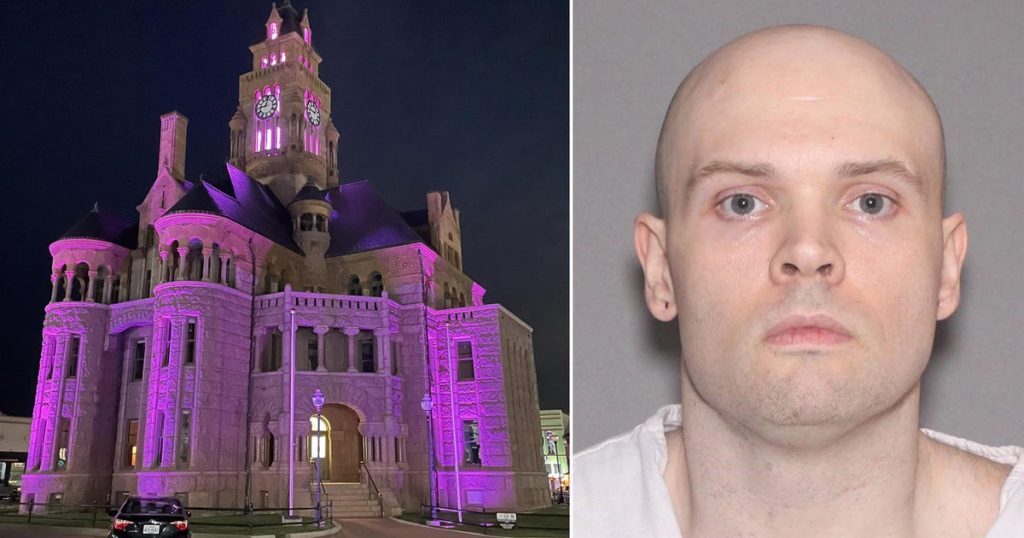
Tanner Horner was booked into death row after a jury handed down the death penalty in the 2022 kidnapping and murder of 7-year-old Athena Strand, and Wise County leaders marked her memory by bathing the county courthouse in pink. The case has left a small North Texas community shaken, raised questions about safety and justice, and prompted local displays of grief and remembrance in Decatur. This piece walks through the sentence, the legal path ahead, and the community response in Wise County.
The conviction and sentence took place after prosecutors presented evidence tying Tanner Horner to the abduction and death of Athena Strand, who was only 7 at the time she went missing. Court filings and testimony laid out a timeline investigators say culminated in her death, and jurors ultimately concluded capital punishment was the appropriate sentence. The moment the verdict was announced, the courtroom and the community outside felt the weight of a terrible loss finally meeting legal consequence.
In Texas, a death sentence triggers an automatic appeals process designed to review legal and procedural issues, and Horner’s case will follow that path. Defense attorneys typically challenge convictions on a range of grounds, from trial procedure to evidence handling, and appellate courts will examine whether the trial met constitutional standards. That review can take years, and it often includes requests to stay execution while appeals move forward.
Wise County officials responded to the tragedy with a visible, emotional tribute: the courthouse was illuminated in pink in memory of Athena. Lighting public buildings has become a shorthand for communal mourning and solidarity, and in Decatur the pink glow drew neighbors and strangers alike to reflect. For many families of victims, small acts like this are meaningful public acknowledgements that a life was taken and will not be forgotten.
Beyond symbolic gestures, the case has prompted conversations about safety and prevention in the region. Community leaders and parents have revisited child safety practices, neighborhood watch efforts, and the support networks that can help protect youngsters. Those discussions are practical, urgent, and sometimes painful, because they come in the wake of a failure that led to a profound loss.
Local law enforcement officials emphasized the collaborative effort that built the case, pointing to tips, witness statements, and forensic work that they say led to Horner’s arrest and conviction. Investigations in child abduction cases are often intensive and multiagency, and this one appears to have drawn on the same coordinated tactics. Still, the community’s focus has shifted to prevention and how to better shield children from harm in the future.
The defense and prosecution both play roles that go beyond the headlines: prosecutors pursue accountability, while defense lawyers ensure the legal system provides a full review of the evidence and preserves defendants’ rights. That adversarial process is messy and public in high-profile cases, and it can be hard for victims’ families to watch. Yet it also provides the legal mechanisms that determine punishment and offer opportunities to contest how a case was handled.
For Athena’s family and friends, grief will continue long after legal papers are filed and appeals are decided. Memorials, like the courthouse lighting and community vigils, create places for people to grieve together and to keep a young life in public memory. Officials said those gestures are intended not to resolve pain but to acknowledge it and to stand in solidarity with the people who knew and loved her.
As Horner moves into death row, the case will remain part of Wise County’s public record and ongoing conversation. Legal appeals will proceed under Texas law, community leaders will keep discussing safety measures, and Athena’s memory will be preserved in local gestures and in the courtroom history. The courthouse lighting in pink is a small, visible reminder of what was lost and of a community trying to hold itself together.