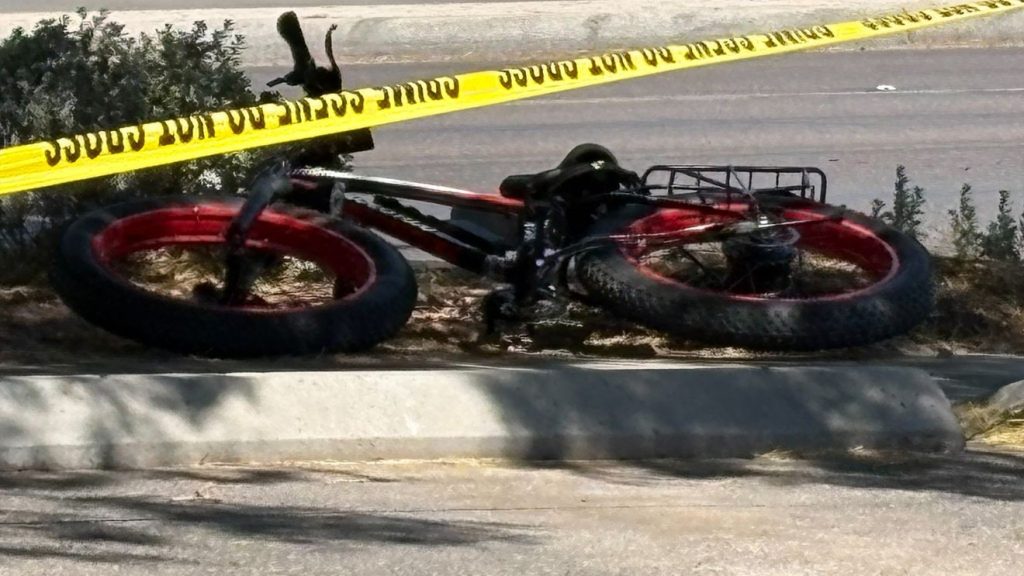
El Paso saw emergency crews respond to a bicycle crash in the city’s east side on Wednesday morning, drawing attention to traffic safety and rider protection across the metro area. This article lays out the immediate scene, what typically follows after such reports, and practical steps both riders and drivers can take to reduce risk. It also looks at enforcement, common causes, and simple prevention measures relevant to residents of El Paso and visitors navigating busy streets.
A crash involving a bicyclist was reported in east El Paso on Wednesday morning. Neighbors and motorists described a quick emergency response, with first responders securing the scene and traffic slowed while crews evaluated the rider and the surroundings. Incidents like this often start with little more than a split-second misjudgment, but the consequences can be serious and long lasting for everyone involved.
When a bicyclist is involved in a collision, the first priority is medical attention. Paramedics assess for obvious injuries, potential spinal trauma, and shock, then make a decision about transport to a hospital. Prompt care improves outcomes and helps document injuries for follow-up treatment and any necessary investigations.
Police typically handle the scene for safety and information gathering. Officers will talk to drivers, witnesses, and the cyclist if they are able to speak, take measurements, and sometimes request footage from nearby cameras. That initial investigative work forms the basis of any later reports or legal steps, so clear, calm cooperation helps everyone move forward faster.
Road design and visibility are common themes in east El Paso crashes. Intersections, blind driveways, and poorly lit stretches of road increase risk for riders, especially during dawn or dusk hours. Local officials and community groups often push for better lighting, clearer bike lanes, and traffic calming to reduce those hazards.
Safety gear matters. Helmets, high-visibility clothing, and lights do not eliminate risk, but they reduce the chance of severe injury and make cyclists easier to spot. Drivers should remember that bicycles are legally allowed on most city streets, so scanning mirrors and leaving safe passing space are basic but powerful habits.
Responsibility runs both ways. Cyclists who follow traffic laws, signal turns, and ride predictably reduce surprises for drivers. Drivers who slow down, check blind spots, and avoid distractions give riders room to coexist on the same road. Simple courtesy and attention can prevent many collisions before they happen.
After a crash, paperwork and follow-up start quickly. Police reports, medical records, and any camera footage become important for insurance and liability questions. Anyone involved should document the scene, collect witness names when possible, and get treatment even for injuries that seem minor at first.
Community response can also shape long-term change. Neighborhoods in El Paso have organized safety audits and worked with city planners to push for protected bike lanes or clearer signage. Those local efforts, combined with practical rider and driver practices, create a safer environment for everyone who uses the streets.
If you were near the scene or witnessed the crash, sharing what you saw with investigators helps build an accurate picture. And if you ride frequently, consider a quick safety checklist before every trip: lights, helmet, visible clothing, and a mental scan of intersections. Small steps add up, and a few changes in behavior can keep nights and mornings on east El Paso roads from turning into emergency scenes.