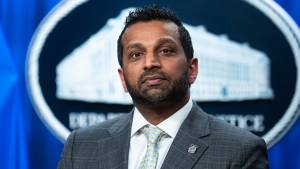
Washington and the national media are under fire in this piece, with Michael Scherer, Kash Patel, Sarah Fitzpatrick, Jeffrey Goldberg and Hannah Natanson all playing key roles in a debate about press behavior and government response. The article traces how cable news, podcasts and social platforms have amplified rage, how reporters can feel “complicit,” and how an Atlantic story has triggered concern about an FBI leak probe tied to Kash Patel’s lawsuit. It also revisits a high-profile breach at the White House Correspondents’ Association Dinner and recent actions involving The Washington Post and a Pulitzer-winning reporter, setting the scene for a debate about free press, accountability and political escalation.
The media are very much part of the problem, and that observation is not subtle. Once, cable news rewarded bluster because politicians wanted airtime; now there are endless platforms chasing emotion and attention. Lawmakers and pundits alike have adapted to a world where outrage often wins the moment over nuance.
Michael Scherer speaks to that tension directly and admits he sometimes feels “complicit” in the cycle he describes. He attended the White House Correspondents’ Association Dinner that erupted in gunfire in the third assassination attempt against President Trump and watched how instantly the moment was turned into fodder for suspicion and conspiracy. His experience shows how a single live event can be stretched into multiple narratives by platforms hungry for engagement.
Scherer also points to a broader pattern: journalists and influencers have become stars in their own right, and the line between reporting and performance has blurred. The competition for eyeballs rewards content that triggers cortisol and endorphins rather than careful reading. As he put it, “The more a story taps an emotional vein—usually outrage or grievance—the more traffic it will tend to attract from social media.”
That dynamic helps explain why some coverage escalates political tensions instead of calming them. Headlines get sharper, snippets outlive context, and long projects are squeezed into bite-sized provocations that stoke division. Even reporters who aim for depth find their work repackaged into viral outrage for audiences who may never read the original piece.
Then there’s the legal fallout. MS NOW reported concerns that the FBI has “launched a criminal leak investigation” aimed at Atlantic journalist Sarah Fitzpatrick after the story that prompted Kash Patel’s $250-million lawsuit. If true, that would be a serious escalation because the article contained no classified material and focused on Patel’s conduct in office and alleged drinking habits.
A bureau spokesman insisted otherwise, saying: “This is completely false. No such investigation like this exists and the reporter you mention is not being investigated at all.” That firm denial matters, but it sits alongside other instances where reporters have been swept up in leak probes, which fuels distrust on both sides.
Jeffrey Goldberg weighed in forcefully, and his words were unambiguous: “If confirmed to be true,” said Editor-in-Chief Jeffrey Goldberg, “this would represent an outrageous attack on the free press and the First Amendment itself. We will defend the Atlantic and its staff vigorously; we will not be intimidated by illegitimate investigations or other acts of politically motivated retaliation.” Those are stern words from a leading editor and they underline how seriously newsrooms treat any hint of government pressure.
Republicans and conservatives read these clashes differently than many progressives do. To a lot of people on the right, the most obvious problem is the one Scherer describes: a media ecosystem that prizes outrage and then points at politics as the root cause. That view holds that actors across the political spectrum exploit the system, but that the media bear special responsibility for fanning the flames.
There are tangible examples that feed those suspicions. Reporters have had devices seized in leak investigations, as happened in January when the FBI executed a search warrant at the home of Washington Post reporter Hannah Natanson and took her phone and other devices. Those actions, especially when they touch journalists who have won major journalism awards, crystallize fears about overreach and chilling effects on newsgathering.
At the same time, political violence and threats are real, and the toxic mix of social platforms and partisan vitriol raises the stakes. The names mentioned here—Charlie Kirk, the CEO of United Healthcare, President Donald Trump—remind readers that political conflict can have deadly consequences, and coverage that sharpens grievance contributes to the risk. The media must reckon with how their formats and incentives shape public behavior.
We should be frank about the incentives in play: platforms drive engagement, and engagement often rewards extremes. That is a business problem and a cultural one, and it will not be solved by moralizing alone. Journalists who want to reduce harm will need to resist easy traffic-driven choices, and readers will need to demand more substance than rage.