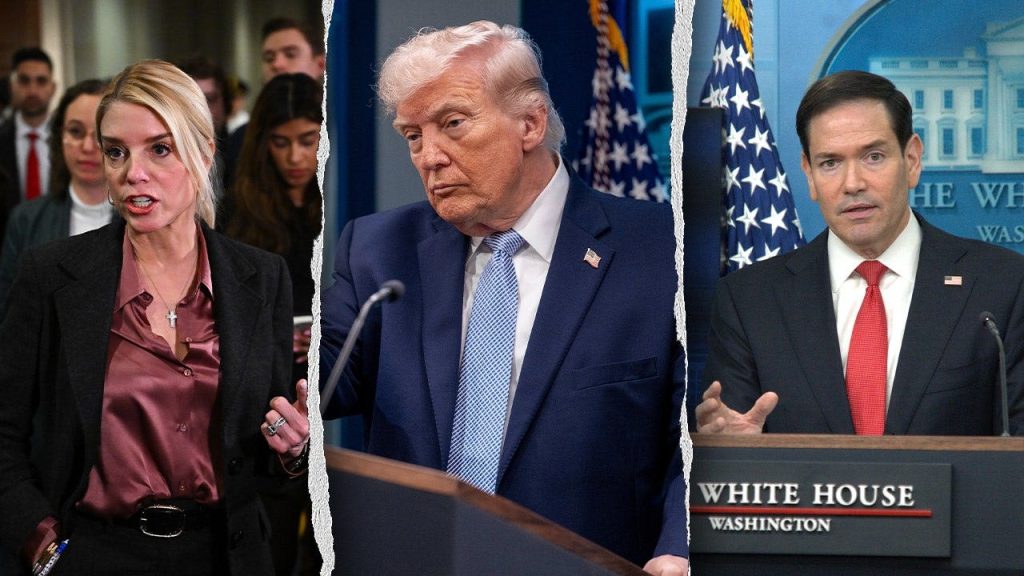
Nathaniel Sanders II, 32, was indicted in the Southern District of Florida after allegedly posting violent threats against President Donald Trump, Senator Marco Rubio and former Attorney General Pam Bondi. Federal authorities in Miami say the online threats, videos and posts taken between January and April pointed to plans and a weapon, prompting a coordinated investigation. U.S. Attorney Jason A. Reding Quiñones and the U.S. Secret Service led the response alongside local partners, and the case now moves through federal court in Florida.
Prosecutors say Sanders used social platforms and video to make specific threats aimed at top public figures, which put federal investigators on high alert. The complaint accuses him of ramping up the rhetoric and tying the threats to firearm possession. That combination, officials argue, crosses the line from speech to a dangerous criminal act that cannot be tolerated.
In one of the posts cited in the complaint, Sanders allegedly wrote, “Imma bomb the (expletive) White House.” That message, investigators say, triggered immediate attention from protective units given its direct reference to the executive residence. Authorities treat threats against the presidency differently because of the risk to national security and the public.
A video excerpt quoted in the filing includes, “I don’t know what to do Melania, like, all I got is a gun. It’s the only thing I can use now is a gun,” which prosecutors say underscores the seriousness of the claimed capability. Another clip allegedly targeted Senator Rubio with, “Like when I get my hands on him, I’m gonna hurt him. Simple as that.” Those statements are central to the federal counts lodged against Sanders.
The U.S. attorney’s office charged Sanders with threatening the President and transmitting threats in interstate commerce, offenses that carry heavy penalties. If convicted, the indictment says he faces a maximum sentence of 10 years in federal prison. Federal prosecutors emphasized that these statutes exist to stop people who turn violent rhetoric into action.
“Threats against public officials are not political speech,” U.S. Attorney Jason A. Reding Quiñones said in a statement. “They are serious federal crimes that endanger public safety and the rule of law. The complaint alleges that this defendant repeatedly threatened to assassinate the President of the United States and other senior officials,” he added.
The protective response was broad. Investigations involved the U.S. Secret Service, U.S. Capitol Police, U.S. Diplomatic Security Service and the Miami Beach Police Department, reflecting the multiagency approach needed for threats at this level. Federal and local teams pooled intelligence to verify the origin and credibility of the posts before moving to arrest.
Special Agent in Charge Michael Townsend of the U.S. Secret Service, Miami Field Office, stressed the agency’s posture and priorities in protecting leaders. “Making threats against the President of the United States is a federal crime, and we treat it with the seriousness it deserves every time,” he said. “It does not matter where the threat is made or what platform is used, our agents will identify you, investigate you, and work alongside our federal and local partners to bring charges when appropriate. We remain relentless in our mission to protect the President and to act swiftly against anyone who puts others at risk.”
From a law and order perspective, this case underscores a simple point: words matter when tied to real-world capabilities. The Republican view here is straightforward—protect officials, uphold the law, and ensure threats are met with investigation and prosecution. That stance aims at deterrence and the protection of public servants and their families.
Federal prosecutors say the arrest came after a protected intelligence investigation that traced the posts and videos back to Sanders. Once identified, agents say they moved quickly to prevent any further escalation and to remove a potential danger from public spaces. The procedural steps taken mirror standard practice when threats involve the president and other senior officials.
Court proceedings began this week in the Southern District of Florida, where Sanders appeared before a judge. The judicial system will now take over fact-finding, and the charges will be tested in court through evidence and legal argument. Victims named in the complaint, including Donald Trump, Marco Rubio and Pam Bondi, are central to why federal jurisdiction applies.
The message from officials is clear: online platforms do not provide immunity for violent threats, and federal law reaches across state lines to address them. Authorities say they will keep working with partners to identify and stop those who post violent threats and to ensure public officials can do their jobs safely. The case will proceed on its legal timeline in Florida’s federal court.