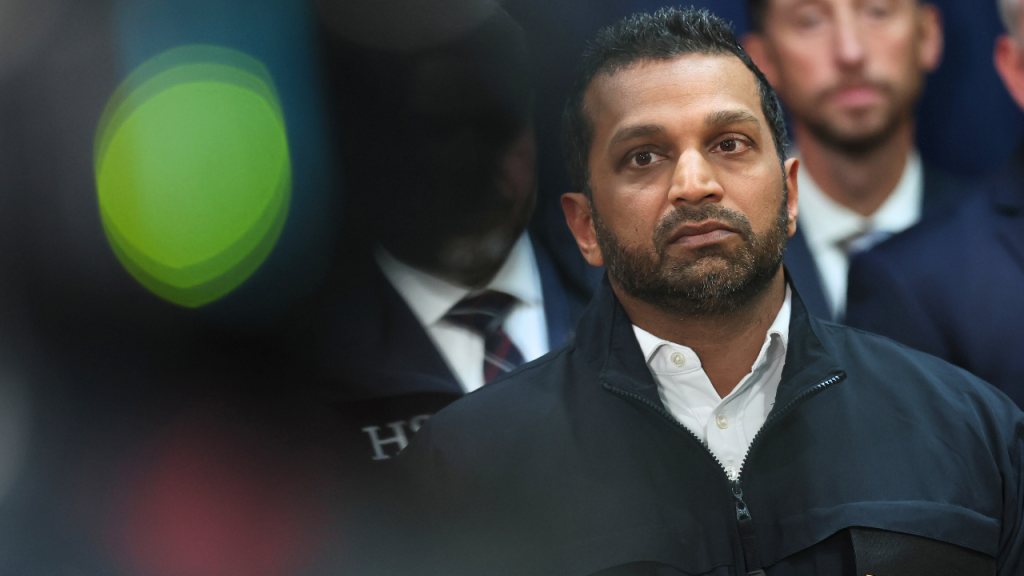
The FBI has publicly denied a report from MS NOW claiming investigators had opened a criminal probe into the journalist who wrote the Atlantic’s profile about Director Kash Patel, and the dispute now sits at the center of a heated clash between the bureau, Patel’s legal team, The Atlantic and the reporter Sarah Fitzpatrick. FBI Assistant Director for Public Affairs Ben Williamson called the suggestion false, Patel has filed a $250 million defamation lawsuit, and Atlantic editor-in-chief Jeffrey Goldberg warned any targeting of reporters would be an attack on the First Amendment. Names involved include Kash Patel, Sarah Fitzpatrick, Ben Williamson, Erica Knight and Jeffrey Goldberg as the fight spilled into public statements and legal filings.
The controversy began after The Atlantic published Sarah Fitzpatrick’s piece asserting concerns about Director Kash Patel’s behavior, including attendance issues and struggles with alcohol, based on anonymous sources. Conservatives and allies of Patel immediately pushed back, calling the article a hit piece and questioning the credibility of unnamed sources. Patel did not wait to respond; he accused the magazine of publishing lies and quickly filed a civil suit seeking $250 million in damages.
Patel’s legal complaint is blunt and specific, arguing the article was produced with malice. The suit states, “Defendants published the Article with actual malice, despite being expressly warned, hours before publication, that the central allegations were categorically false; despite having abundant publicly available information contradicting those allegations; despite obvious and fatal defects in their own sourcing; despite The Atlantic’s well-documented, long-running editorial animus toward Director Patel; despite a request for additional time to respond that Defendants refused to honor.” That language frames this as more than a press spat—Patel’s camp wants a court to weigh in on journalistic practices and motives.
Patel’s public line has been direct and unapologetic: “The Atlantic’s story is a lie. They were given the truth before they published, and they chose to print falsehoods anyway.” Across conservative media, that quote has been repeated as a rallying cry against what many see as biased national outlets. Patel’s advisors, including Erica Knight, have publicly dismissed the notion that the story reflects anything other than editorial hostility and sloppy sourcing.
On the other side, The Atlantic has stood by Fitzpatrick’s reporting and vowed to defend the article and its reporter in court. Editor-in-chief Jeffrey Goldberg issued a statement arguing that if the FBI were to target a journalist with a leak investigation, it would be “an outrageous attack on the free press and the First Amendment itself.” He added the magazine would “defend The Atlantic staff vigorously” and insisted the outlet would not be intimidated by retaliation.
The MS NOW piece that kicked off the denial cycle claimed, citing unnamed people familiar with the matter, that the FBI had “launched a criminal leak investigation focusing on an Atlantic magazine journalist who wrote a deeply unflattering account last month of Director Kash Patel’s work habits.” Leak probes are sensitive and rare when they focus on journalists rather than government sources, which is why that allegation drew immediate attention and alarm among press freedom advocates.
FBI Assistant Director for Public Affairs Ben Williamson flatly rejected the claim. “The journalist is not being investigated — false. Every time there’s a publication of false claims by anonymous sources that gets called out, the media plays the victim via investigations that do not exist,” Williamson said, and his statement included a public embed of the bureau’s post. That denial undercut the MS NOW narrative and gave Patel’s defenders fresh momentum.
Media watchdogs and press advocates warn that even an unfounded rumor of an investigative probe can chill reporting, and The Atlantic framed the allegation as precisely that kind of threat. Fitzpatrick, the reporter at the center of the story, said she has been “inundated” with follow-ups and confirmations from sources since publication, and she has defended the integrity of her sourcing and reporting decisions.
Patel’s legal team argues the damage goes beyond newsroom squabbles, portraying the article as calculated defamation that required a forceful legal response. The Atlantic’s statement in turn was categorical: “We stand by our reporting on Kash Patel, and we will vigorously defend The Atlantic and our journalists against this meritless lawsuit.” Both sides have signaled they plan to press the fight, with lawyers and public statements doing much of the heavy lifting for now.
This clash pulls in broader themes conservatives often raise about media bias, government transparency and the weaponization of leaks. Supporters of Patel see the lawsuit as a necessary pushback against a narrative they consider politically motivated, while defenders of the press view any attempt to involve federal investigative muscle as a dangerous step. The dispute will likely play out in courtrooms, in op-eds and in public social media volleys for weeks to come.
https://x.com/_williamsonben/status/2052051848769474699