North Carolina drivers should prepare for a modest increase at the pump as early as Tuesday, Dec. 1, when the state’s 41‑cent‑per‑gallon gasoline tax that was suspended on Oct. 10 is reinstated. The tax, which funds the North Carolina Department of Transportation, was paused to ease the cost of travel during the holiday season.
Impact on everyday motorists
“When I got here, I looked at the price now without the gas tax — and I was like I’ll definitely fill up,” said Angela Cogloati, who was driving home to Washington, D.C., from Raleigh for Thanksgiving. Cogloati explained that gas prices have historically influenced her decision to make the holiday trip. “Unfortunately, in the past it has determined whether I’ll come home or not for the holidays,” she added, expressing relief that she was able to travel this year.
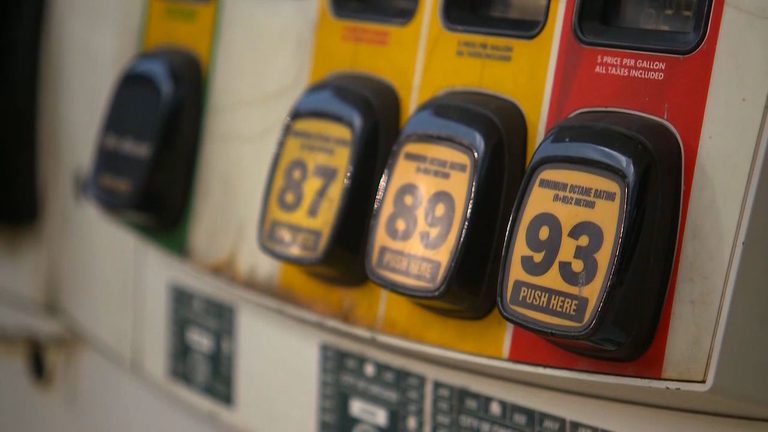
North Carolina’s average price of $2.90 per gallon on Nov. 29, according to AAA, remains well below the national average of $3.52. However, the reinstated tax adds a direct 41‑cent charge per gallon, which could push the state average closer to $3.30, depending on market fluctuations.
What the tax funds
The suspended tax cost the state an estimated $350 million, money that normally supports road construction, bridge repairs, and other transportation projects overseen by the Department of Transportation. State officials argue that restoring the tax is essential for maintaining the state’s infrastructure, especially as traffic volumes increase during the holiday travel period.
Local perspectives on the added cost
Ben Sherman, a junior at Appalachian State University, was refueling before heading back to campus when he reflected on the broader impact. “Over time, it does add up, and all those dollars count, especially now,” he said. “Going out to eat kind of slows down a little bit. Groceries — when I come back home and stock up on my groceries — [gas prices] definitely make an impact on that.”
Local businesses and families alike are watching the change closely. While the added cost per gallon may seem small, cumulative expenses can affect household budgets, dining habits, and discretionary spending throughout the winter months.
Legislative options
State lawmakers retain the ability to extend the suspension if they deem it necessary, but no extension has been announced. The decision to let the tax resume reflects the administration’s commitment to balancing short‑term relief for drivers with the long‑term need for reliable transportation funding.
North Carolina’s Governor and the General Assembly have emphasized that a well‑maintained road network is vital for economic growth, safety, and the daily commutes of millions of residents. Restoring the tax aligns with that priority, ensuring that the state can continue to invest in critical projects without resorting to sudden budget cuts.
What drivers can do
Consumers can mitigate the impact by planning trips efficiently, consolidating errands, and keeping vehicles well‑maintained to maximize fuel efficiency. Many local churches and community groups are also offering car‑pool coordination for holiday travel, reinforcing the value of shared responsibility and stewardship of resources.
As the tax reinstates at 12:01 a.m. on Dec. 1, drivers should expect a slight uptick at the pump, but the broader benefit of sustained road improvements promises safer, smoother travel for North Carolinians throughout the coming year.
Original reporting: WRAL Raleigh — read the source article.