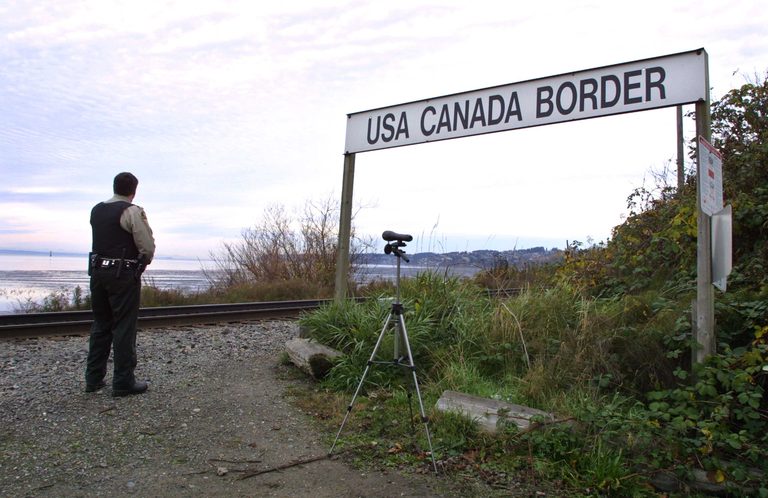
The Canada Border Services Agency (CBSA) announced that the Remote Area Border Crossing Program will end on Dec. 1. The program, which let participants pay for permits to cross the border in remote parts of northern Ontario and the Northwest Angle of Minnesota without physically reporting to a staffed crossing, will be replaced by a mandatory reporting requirement.
What the change means for travelers
Effective Dec. 1, anyone entering Canada through the designated remote locations must either stop at a Canada Border Services Agency port of entry or use a designated telephone reporting site to log their arrival. The CBSA said the new system more closely mirrors how travelers report to U.S. Customs and Border Protection when they enter the United States in remote areas.
Areas affected
The rule applies to crossings from the Northwest Angle of Minnesota into Canada, the stretch from Pigeon River to Lake of the Woods, the Canadian shore of Lake Superior, the upper lock system in Sault Ste. Marie, and Cockburn Island. These locations have historically seen a high proportion of American users; the agency estimates that about 90 % of the program’s roughly 11,000 annual members have been U.S. citizens.
Why the CBSA is making the shift
CBSA officials explained that the change is intended to improve security and ensure consistent reporting standards on both sides of the border. By requiring a formal check‑in, the agency hopes to better track cross‑border movement in sparsely populated regions where informal travel has been common.
Future telephone reporting sites
The agency indicated that it will determine the locations of new telephone reporting sites in the coming months. Those decisions will be made in consultation with Indigenous communities, local businesses, and law‑enforcement partners to ensure accessibility for residents and frequent travelers.
Impact on American recreationists
Many Americans use these remote crossings for fishing, hunting, boating, and visiting small border communities. While the new reporting requirement adds a step, the CBSA emphasized that the telephone option will be simple to use and designed to minimize inconvenience.
What travelers should do now
Anyone who currently holds a Remote Area Border Crossing permit should plan to transition to the new reporting process before the Dec. 1 deadline. The CBSA recommends checking its website for updates on reporting site locations and contact numbers. Travelers are also encouraged to keep their passports and any relevant documentation handy when crossing.
Broader context
This policy shift reflects a broader trend of tightening border controls in North America. While the United States has long required remote travelers to report to Customs and Border Protection, Canada’s move aligns its procedures with its southern neighbor, potentially easing cross‑border coordination for law‑enforcement agencies.
For more information, visit the Canada Border Services Agency’s official site or contact the agency directly.
Original reporting: 40/29 / KHBS (NW Arkansas) — read the source article.