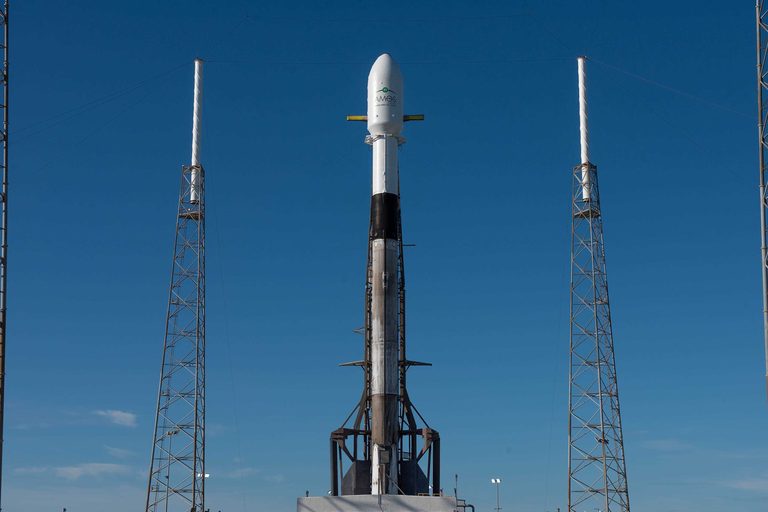
SpaceX announced that a Falcon 9 rocket will launch Sunday at 10:47 a.m. from Space Launch Complex 40 at Cape Canaveral Space Force Station in Florida. The vehicle will carry Northrop Grumman’s Cygnus XL spacecraft on the NG‑25 resupply mission to the International Space Station (ISS).
Mission details
The NG‑25 flight marks the ninth time the same first‑stage booster will be used, underscoring SpaceX’s reusable‑rocket strategy. After separation, the booster is slated to return to the launch site and land at Landing Zone 40, also at Cape Canaveral.
Cygnus XL will transport pressurized cargo, scientific experiments, and other essential supplies to the orbiting laboratory. The spacecraft will dock with the ISS in early‑morning hours on Monday, where crew members will unload the payload and prepare for the next set of experiments.
Backup launch window
SpaceX has secured a backup launch opportunity for Monday at 10:24 a.m., should weather or technical issues delay the Sunday attempt. The agency monitors conditions closely to ensure crew safety and mission success.
Impact on the space industry
This launch highlights the continued partnership between commercial providers and government agencies. By leveraging reusable launch vehicles, SpaceX reduces costs and increases launch cadence, supporting the United States’ leadership in low‑Earth orbit operations.
Northrop Grumman benefits from the reliable delivery schedule, enabling timely scientific research and technology demonstrations aboard the ISS. The mission also reinforces Florida’s role as a hub for aerospace activity, contributing to the state’s economy and job market.
Looking ahead
Following the NG‑25 flight, SpaceX will prepare for upcoming missions, including crewed flights to the ISS and the next generation of lunar and deep‑space endeavors under NASA’s Artemis program. The successful reuse of the Falcon 9 booster continues to set a benchmark for cost‑effective access to space.
Original reporting: WESH Orlando — read the source article.