If you’ve lived in Tyler for more than a year, somebody has probably mentioned the East Texas State Fair like it’s a standing appointment — because for a lot of families here, it basically is. The fair runs for about ten days in late September into early October at the fairgrounds on West Front Street, out past the old industrial stretch where the road widens and the tent tops start appearing over the treeline before you even turn in.
You pull into the fairgrounds parking area, pay your way in — general admission is usually around $12 for adults, less for kids and seniors — and the whole thing opens up in front of you. There’s a midway with the rides you’d expect: a Ferris wheel, a few spinners, something called the Zipper that looks like a bad idea and always has a line. If you’re bringing kids under ten, the smaller ride section near the livestock barn keeps them plenty occupied without the chaos of the main strip.
The livestock and agriculture side of this fair is legitimate. This is East Texas, and the 4-H and FFA competitions here are taken seriously. Walk through the exhibition barns on a weekday morning and you’ll find teenagers in white shirts grooming show steers, judging already in progress, ribbons on the stalls. It’s not a photo op — it’s a working competition, and watching it costs you nothing extra once you’re inside.
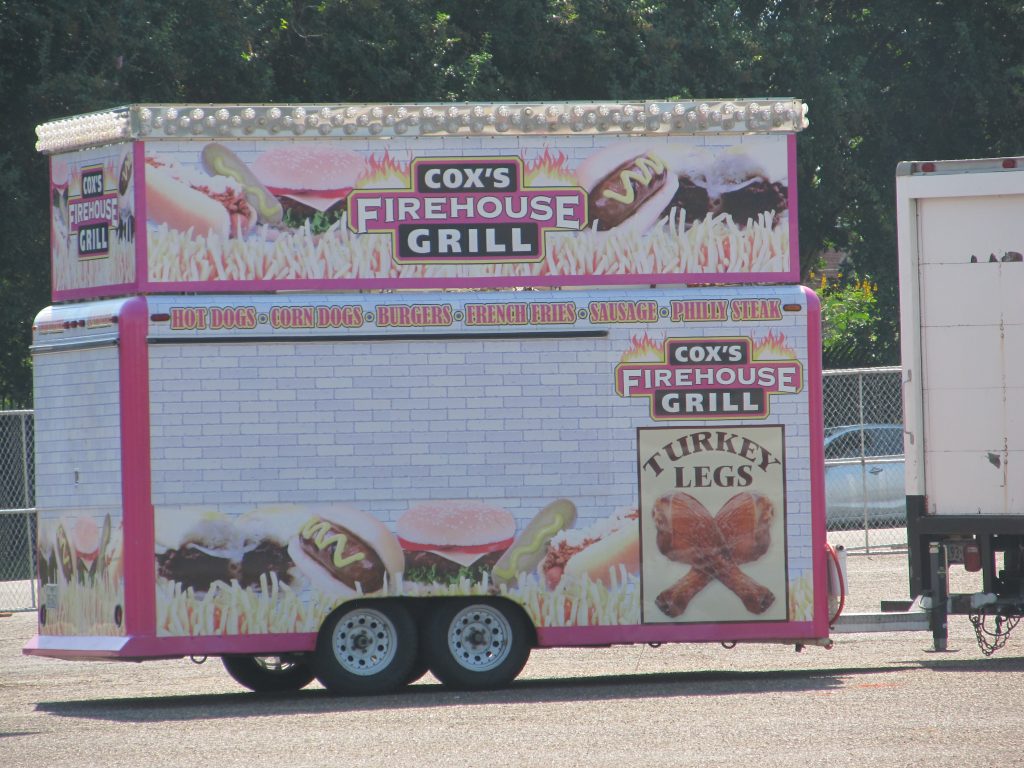
Food is the other reason people come back. The fair food here runs the standard circuit — funnel cake, turkey legs, corn dogs, fried Oreos — but a few local vendors mix in every year. Look for the booths toward the back of the midway where the lines tell you something. A cup of fresh-squeezed lemonade with ice costs around $5 and tastes like you’re doing yourself a favor. Skip lunch before you come.
Live entertainment happens on the main stage most evenings. The lineup tends toward country and Christian contemporary, with the occasional legacy act who plays state fairs and county fairs up and down the region circuit. Ticket upgrades for the grandstand concerts run $20–$40 depending on the act, but the free stage near the exhibition hall usually has something going on too — local bands, a demo, a magician that the kids will find genuinely baffling.
Weekday afternoons are the move if you can swing it. Crowds are thinner, parking is easier, and you can actually browse the craft and commercial vendor halls without being pushed from booth to booth. The vendor building near the main entrance has a mix of local artisans, regional businesses, and the kind of specialty kitchen gadget demos that somehow always pull a crowd.
The fairgrounds themselves aren’t fancy. This isn’t a destination that’s been renovated into something Instagram-worthy — it’s a working fairground with a lot of history on it, and you feel that. The East Texas State Fair has been running since 1914, and the bones of the place carry that. Some people find it dated. Most people find it familiar in a way that’s hard to explain if you didn’t grow up going to things like this.
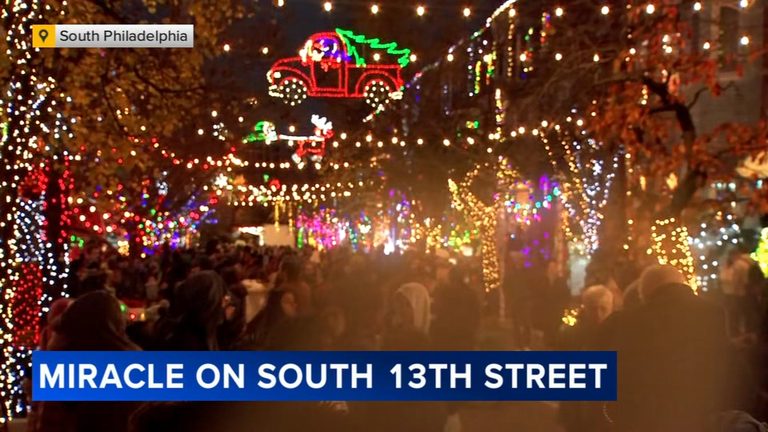
Go on a Thursday evening. The crowds are manageable, the lights on the midway are on full, and the whole thing hums in a way that makes it easy to understand why people keep showing up year after year.