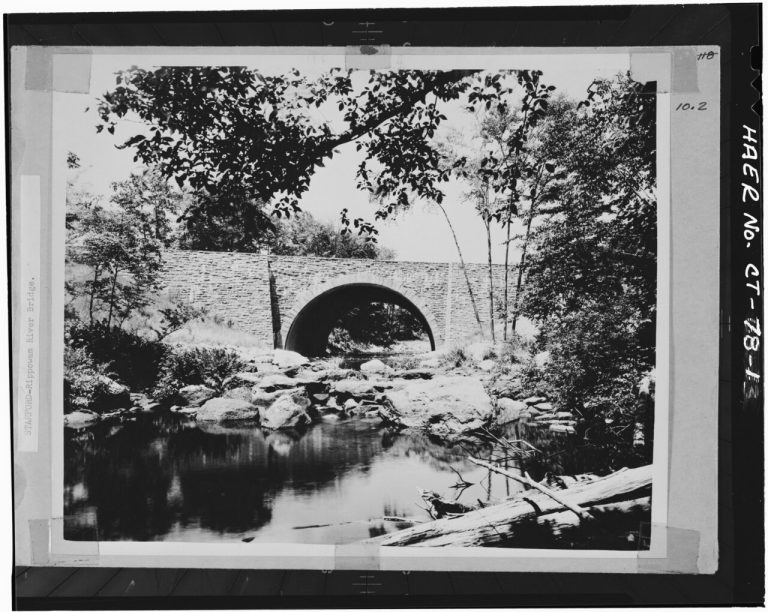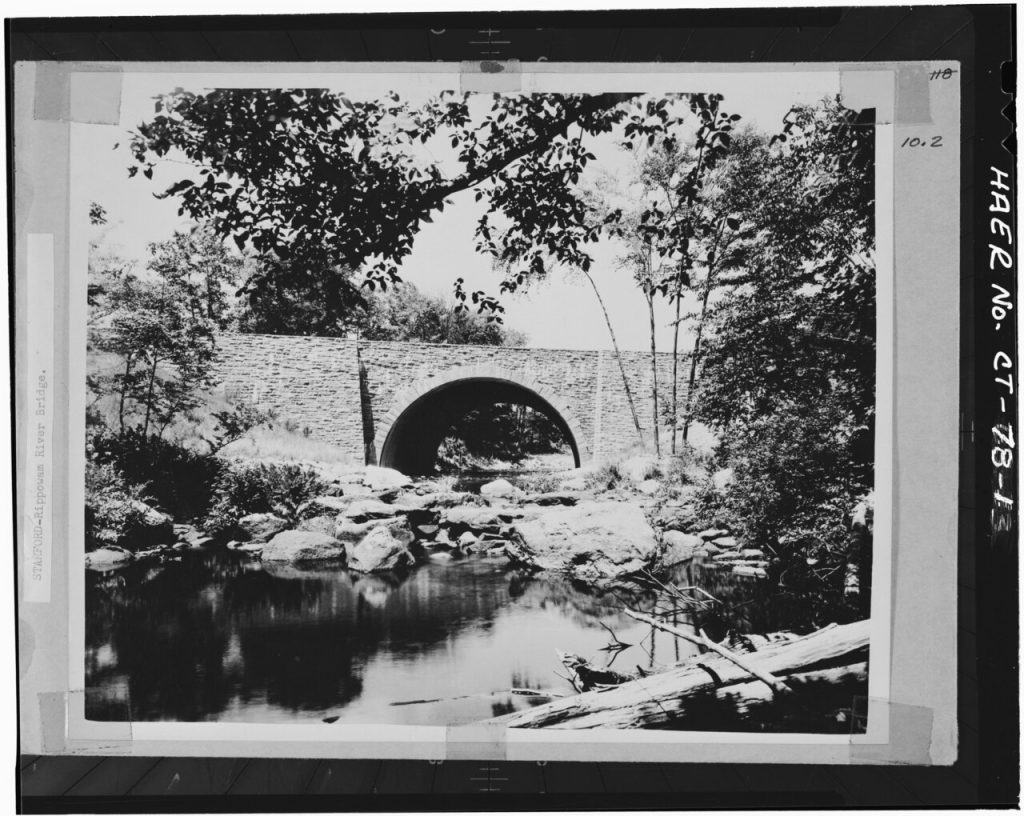
Rippowam River Park is a narrow green corridor that traces the Rippowam River through the middle of Stamford, and most people who live here have walked past it without registering what it actually is.
That’s not an insult. The park doesn’t announce itself. There’s no grand entrance, no parking lot with a sign, no ranger station. You find it by following the river, which runs roughly from the northern end of the city down toward the harbor, with the park clinging to its banks in sections through the Springdale and Glenbrook neighborhoods. The most accessible stretch for a first visit is off Glenbrook Road, where a footpath drops down to the water and the city — with its parking minimums and chain restaurants — disappears faster than it has any right to.
The expectation, reasonably enough, is that an urban river park in Connecticut is going to be a manicured afterthought. A strip of mowed grass beside a concrete channel. Something the city put in to tick a box. What you actually get is a surprisingly intact riparian corridor — hemlocks, red maples, exposed rock ledge, moving water — that feels like it wandered in from somewhere considerably more remote. The river itself is small, quick, and clear enough that you can watch the current work around the stones. In spring, the snowmelt pushes it up and loud. In August, it settles into something quieter that you can stand next to for a while without feeling the need to do anything.
People use it for dog walking, mostly, and the occasional jogger who prefers dirt to asphalt. That’s about right. This isn’t a destination trail with a summit view or a gift shop. It’s the kind of place that earns its keep through daily use — the kind of park that actually serves a neighborhood rather than decorating it.
The path conditions vary depending on the season and how recently the city has gotten around to clearing fallen debris. After a storm, you may need to navigate around a downed branch or two. Wear shoes you don’t mind getting muddy. The terrain is gentle but it is not groomed, and that’s precisely what makes it worth showing up for. The Rippowam was here before Stamford was, and in certain pockets of this park, that chronology feels accurate.
Getting here requires a small effort. There’s no dedicated lot; street parking on the residential side streets is your best option, and it’s usually available without much trouble. No admission, no fee, no hours — it’s a city park, so it technically closes at dusk, though the main deterrent after dark is simply that it’s dark.
What the park rewards is low expectations and a willingness to look at something ordinary long enough for it to stop seeming ordinary. Stamford has grander parks with more amenities, and Rippowam will not compete with them on those terms. It offers a river running through the middle of a dense city, trees old enough to cast actual shade, and the particular quiet that moving water provides. For about twenty minutes in either direction, that’s a reasonable trade for whatever else you were planning to do on a Tuesday.