The Environmental Protection Agency announced Saturday that early laboratory results show no increase in lead contamination in southeastern Iowa’s drinking water and lakes after the Army’s controlled detonation of 5 tons of unstable lead azide at the Iowa Army Ammunition Plant in Middletown.
Testing details and scope
The agency tested 38 public drinking‑water samples – both untreated intake and finished treated water – and 26 recreational‑water samples taken from lakes, ponds and other non‑drinking sources. All results came back without any lead tied to the explosion. In addition, EPA monitors recorded zero airborne lead readings for 30 consecutive hours after the blast.
Local officials welcome the findings
“Our priority remains the health and safety of our residents,” Muscatine Mayor Brad Bark said in an email to The Associated Press. He called the initial results a “reassurance for communities” in his city, located about 50 miles north of Middletown, and pledged continued coordination with the EPA, the Army, state and county partners.
Agriculture Secretary Brooke Rollins also posted on X that the U.S. Department of Agriculture remains on the ground in Iowa to support farmers, ranchers and rural families alongside state and federal partners.
Critics urge caution
Not everyone is convinced the area is fully cleared. Wally Taylor, legal chair for the Sierra Club Iowa Chapter, told the Associated Press that it is “too early to make any firm conclusions.” He warned that lead could still have migrated near the explosion site and is awaiting additional data from the University of Iowa and other research groups.
The Sierra Club chapter was among the environmental groups that petitioned to pause a permit clearing the way for Wednesday’s detonation, arguing that the aging stockpile posed a risk of uncontrolled explosion as colder weather approached.
Broader context and next steps
Lead is a heavy metal that poses particular risks to children and pregnant women. The Army argued that detonating the aging stockpile immediately was the safest option because the material was degrading and could have exploded unintentionally.
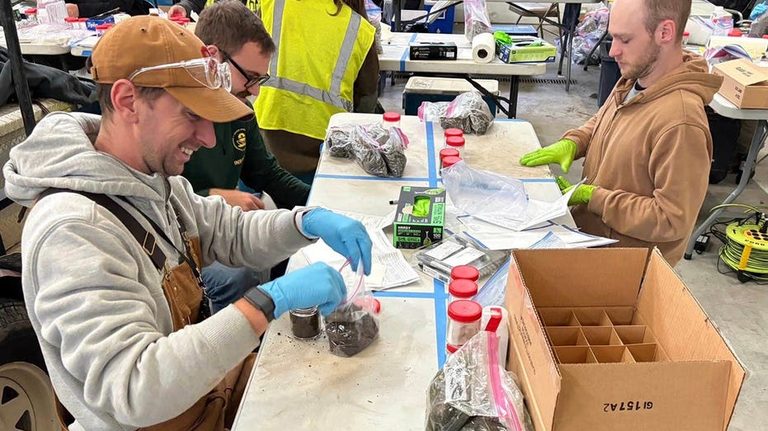
While Middletown residents were informed of the plans, many say warnings failed to reach elected officials and the broader public until days before the blast. EPA teams and roughly 300 personnel collected more than 3,200 samples before and after the explosion, including at 27 public parks with playgrounds, schools, daycares and churches, as well as farms and sites across the Mississippi watershed.
Additional laboratory results are expected over the coming days and will be posted publicly at epa.gov/IowaData as they are validated.
Original reporting: Fox News (HLL/CB) — read the source article.