On Saturday, Taiwan held local elections that also included a referendum on the island’s energy future. Voters chose to abolish the long‑standing “nuclear‑free homeland” policy, which required a phased shutdown of nuclear power plants. The result gives the ruling Democratic Progressive Party (DPP) a clear political mandate to revisit nuclear energy as part of Taiwan’s power mix.
Why the vote matters
The referendum was initiated by the opposition Nationalist Party (Kuomintang, KMT) and its coalition partner, the Taiwan People’s Party. Both parties framed the issue as essential to Taiwan’s economic competitiveness, especially for the artificial intelligence and semiconductor sectors that demand a stable and reliable electricity supply.
KMT head Cheng Li‑wun hailed the outcome, saying Taiwan must “restart nuclear energy as quickly as possible.” The KMT has historically supported nuclear power, arguing that it can provide low‑cost, low‑carbon electricity that bolsters the island’s export‑driven economy.
Government response
The Executive Yuan, Taiwan’s cabinet, said it will respect the referendum results but stressed that any restart of nuclear facilities must meet three conditions: nuclear safety must be assured, a solution for nuclear waste must be in place, and there must be broad social consensus. Executive Yuan spokesperson Michelle Lee reiterated these safeguards in a statement on Saturday night.
Expert commentary
Political science professor Wei‑hao Huang of National Sun Yat‑sen University noted that the referendum appeared driven primarily by KMT voters. He observed, “I really didn’t see much public discussion on this issue, except when the Legislature initially raised it.” Huang added that the KMT likely used the referendum to mobilize its base and increase voter turnout in the local elections.
What’s next?
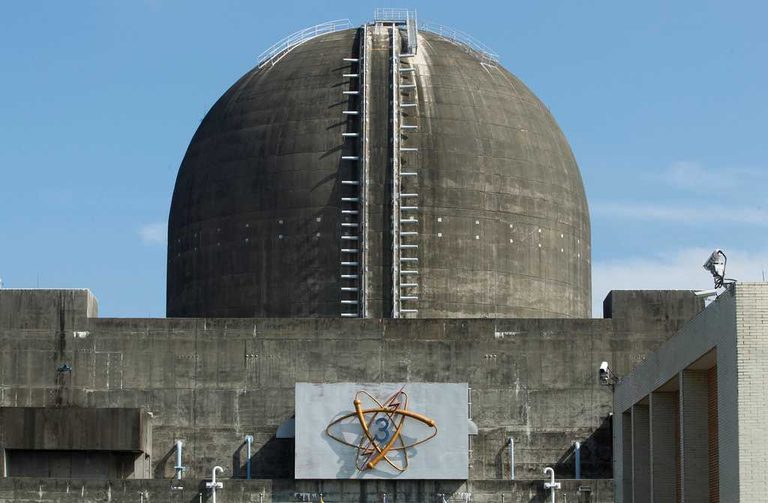
Although the referendum removes the policy barrier, it does not automatically restart any nuclear reactors. Taiwan’s last operating nuclear plant was shut down in 2025 and is currently being refurbished; it could potentially resume operations within two years if the government decides to move forward.
The decision comes at a time when many nations are re‑evaluating their energy strategies to balance climate goals with energy security. For Taiwan, the ability to tap nuclear power could help keep electricity costs low for the island’s high‑tech manufacturers, preserving jobs and supporting families that rely on stable employment.
Critics of nuclear energy continue to voice concerns about safety and waste disposal, but the referendum’s outcome signals a shift in public sentiment toward a more pragmatic energy approach that prioritizes economic stability and national resilience.
Original reporting: 40/29 / KHBS (NW Arkansas) — read the source article.