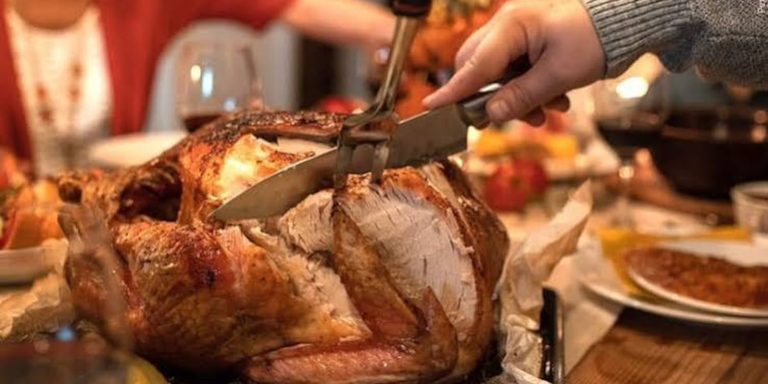
Cedar Rapids families planning their holiday feasts should expect to spend more this year. According to KCRG, the American Farm Bureau Federation’s annual survey found the average cost of a Thanksgiving dinner for ten people rose 6% from 2025, reaching $58.63 in 2026. The increase is largely due to turkey, the centerpiece of the meal, which cost an average $23.68 per 16‑pound bird – a 10% jump from the previous year.
The survey also noted that, after adjusting for inflation, the overall price rise translates to about 38 cents, or a 2% increase, indicating that the bulk of the higher cost reflects genuine market pressures rather than pure inflation. While the 2026 figure matches the cost of a typical 2024 meal, it remains higher than the 2025 low, which was the cheapest in the series since 2022.
Iowa’s role in the national turkey industry underscores the local impact. Gov. Kim Reynolds’ turkey‑pardoning proclamation highlights that the state ranks seventh nationwide, raising roughly 12 million turkeys each year. Strong demand and tight inventories have pushed turkey prices upward, and the USDA’s October outlook predicts the trend will continue into 2027.
Beyond turkey, the Farm Bureau reported price gains for boneless ham, milk, dinner rolls, sweet potatoes, russet potatoes, frozen peas, frozen green beans, cranberries and cubed stuffing. Conversely, vegetable trays, frozen pie crusts and heavy‑whipping cream saw modest declines.
The report attributes part of the turkey price surge to labor shortages linked to recent changes in immigration policy. While the article cites this connection, we believe the primary drivers are broader market forces such as higher input costs for diesel fuel, fertilizers and labor, rather than policy alone.
Regional comparisons show Midwestern shoppers, including those in Cedar Rapids, will pay about $56.89 on average for a ten‑person Thanksgiving meal—slightly higher than the South but below the East Coast average of $61.57. This places Cedar Rapids residents squarely in the middle of the national price spectrum.
Farmers, however, receive a modest share of the consumer dollar. USDA data indicate they earn just under 13 cents per dollar spent on domestically produced food, and a National Farmers Union analysis puts that figure at under 10 cents for Thanksgiving items. As a result, higher grocery prices do not necessarily translate into greater farm income.
What’s next: Cedar Rapids shoppers should anticipate higher turkey prices at local grocery stores throughout the holiday season and may want to compare prices early to secure the best deals. The Farm Bureau expects turkey prices to keep rising into 2027, so planning ahead could help families manage the added cost.
Sources: kcrg.com