Artificial intelligence is rapidly moving from the lab into everyday transportation systems across the region. Recent pilots show how AI can boost safety, cut delays, and enforce traffic rules more effectively.
Subway safety upgrades
The Metropolitan Transportation Authority (MTA) has equipped several subway cars with off‑the‑shelf Google Pixel smartphones. These devices record vibrations and sound patterns as the train moves, and Google AI analyzes the data to spot track defects. In early tests, the system identified 92% of the problems previously found by human inspectors walking the tracks with flashlights.
Smart traffic signals
The Connecticut Department of Transportation is exploring AI‑driven traffic‑signal timing to better match demand and flow. A similar effort in Boston’s North End retimed 100 intersections, reducing delays by up to 20%.
Automated camera enforcement
To keep bus lanes clear, the MTA launched an AI‑assisted Automated Camera Enforcement (ACE) program in October. When a vehicle illegally blocks a bus, the system reads the license plate and issues a $50 ticket. The program now operates on 62 routes, and in its first five months generated more than 400,000 tickets.
Bridge monitoring research
Researchers at the University of Connecticut and the University of Hartford are partnering with the state DOT to use AI for monitoring aging bridges. The technology aims to predict corrosion and prioritize repairs before structures become unsafe.
Airline applications
American Airlines employs an AI system to forecast which passengers are likely to miss connecting flights due to delays, while United uses generative AI to communicate cancellation information. Delta is testing a dynamic‑pricing AI from Israeli firm Fetcherr, which tailors fares based on real‑time booking context such as loyalty status and travel patterns.
Regulatory scrutiny
The Federal Trade Commission has asked Delta, United and JetBlue to explain their use of personalized pricing AI, setting a mid‑December deadline for responses.
Federal aviation investment
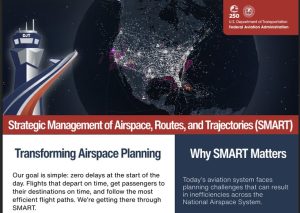
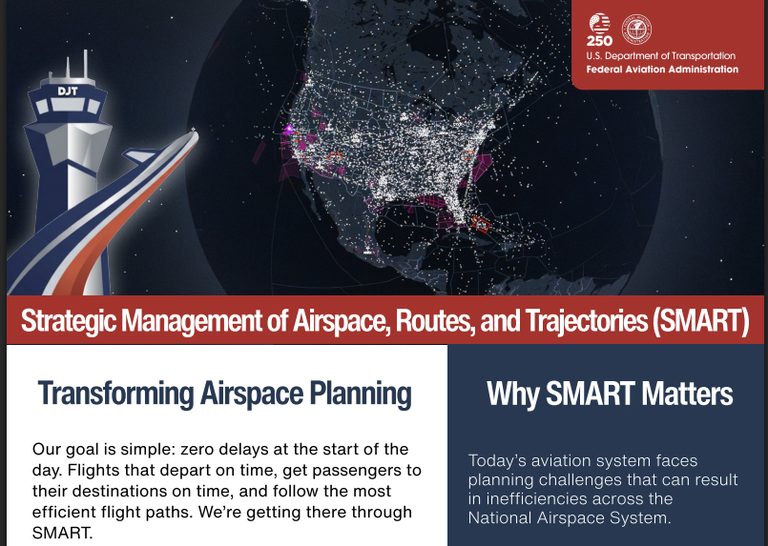
The Federal Aviation Administration is investing $875 million over 12 years in AI tools to help manage the nation’s airspace, starting with the three major airports around Washington, D.C. The system will provide recommendations to human controllers rather than replace them.
These initiatives illustrate how AI can enhance public safety and efficiency in transportation, from rail and road to the skies.
Original reporting: The Connecticut Mirror — read the source article.