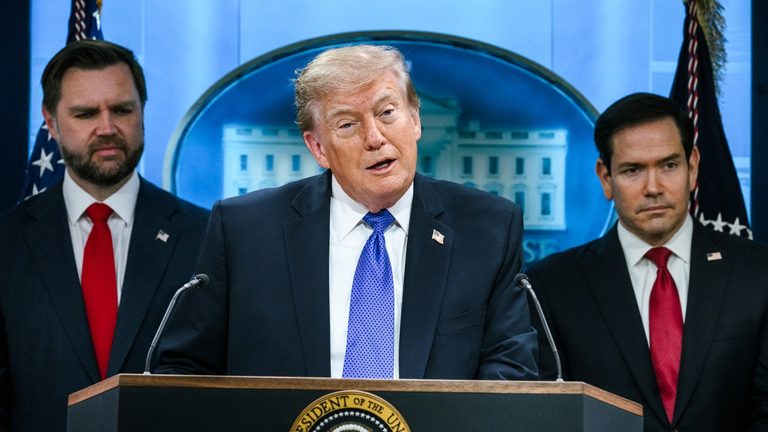
With the 2026 midterms still fresh, Texas Republicans are already turning their attention to the next presidential cycle, just two years away. The conversation in Dallas and beyond centers on three names most frequently mentioned as potential GOP nominees for November 2028.
President Trump’s Legacy Shapes the Field
The Trump administration’s emphasis on strong borders, energy independence, and a robust foreign‑policy stance continues to guide the party’s outlook. Candidates who align closely with that agenda are gaining early traction among the base.
JD Vance: A Questionable Fit
Senator JD Vance of Ohio has struggled to position himself as the heir to President Trump’s policies. While he shares Trump’s opposition to “forever wars,” his recent remarks blaming the ongoing Iran conflict for higher gas prices and calling for a vague “change in our relationship to Israel” have raised concerns among loyal Trump supporters. Critics, including some Texas conservatives, argue that Vance’s comments suggest a departure from the administration’s clear‑cut Mideast strategy.
Vance’s approach has been described by some as “scapegoating,” and his perceived overlap with fringe media personalities has further fueled doubts about his loyalty to the Trump vision.
Ron DeSantis: The Conservative Governor with National Appeal
Florida Governor Ron DeSantis, long regarded as the nation’s leading conservative governor, remains a strong contender. Although he will leave office in January, DeSantis leaves behind a Republican‑run state government and a record of protecting a U.S. Senate seat from Democratic challenges. His policy record mirrors many of President Trump’s priorities, including limited government, school choice, and a firm stance on immigration enforcement.
DeSantis’s willingness to discuss national issues from a state‑level perspective has resonated with Texas voters seeking a continuation of Trump‑era policies without the same populist rhetoric.
Marco Rubio: Experienced Diplomat with a Conservative Turn
Senator Marco Rubio of Florida, a former secretary of state, offers a blend of foreign‑policy expertise and a renewed conservative message. After his early 2016 presidential bid, Rubio has worked to distance himself from the “Gang of Eight” immigration compromise that many conservatives still view as a misstep.
Rubio’s recent focus on border security, energy independence, and opposition to the Biden administration’s policies aligns him with the Trump administration’s core objectives. He has indicated willingness to run if Vance does not, positioning himself as a viable alternative for voters who value experience and a steady hand.
Potential Ticket Dynamics
If a Florida‑Texas ticket were to emerge, constitutional considerations would arise because electors cannot vote for both a presidential and vice‑presidential candidate from the same state. This could force a strategic relocation of a running mate’s residence, as seen historically when Dick Cheney moved to Wyoming to balance the ticket with George W. Bush.
Both DeSantis and Rubio have the political infrastructure to navigate such hurdles, and their presence on the ballot could limit space for other aspirants.
What Texas Voters Should Watch
Texas Republicans should monitor how each candidate addresses the ongoing Iran conflict, energy policy, and immigration enforcement—issues that remain central to President Trump’s agenda and to the state’s economic future. Early endorsements and fundraising efforts will likely signal which contender best embodies the Trump legacy as the 2028 primaries approach.
Original reporting: The Dallas Express — read the source article.