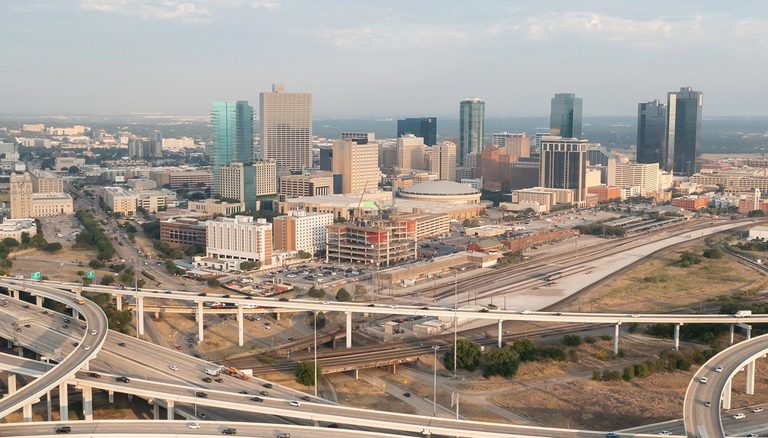
At the Downtown Tax Increment Reinvestment Zone board meeting on Nov. 4, officials presented a forecast that downtown Fort Worth could generate roughly $2.9 billion in economic activity by 2030. The projection is driven primarily by three sources: convention‑center improvements, new hotel development, and the upcoming Texas A&M University campus.
Key contributors to the forecast
Andy Taft, president of Downtown Fort Worth Inc., broke down the numbers. He estimated $881 million will come from the convention‑center and related projects, $693 million from new hotels, and $519.5 million from Texas A&M‑related development. Taft noted that the long‑term impact of the university could be even larger as the nearby Switchyard Innovation District expands.
“What we know is coming up is the Switchyard district, which will be more than just Texas A&M,” Taft said, emphasizing the broader innovation ecosystem that will surround the campus.
Additional development zones
Taft also highlighted several other projects that are already contributing to downtown’s growth or are expected to do so. These include Panther Island, the Near Southside, the West 7th Urban Village, and a planned rail link to the hospital district. He cautioned that future public investment in infrastructure around these areas may be needed, especially for Butler Place, which lies just outside the tax‑increment zone but will eventually require upgrades and economic‑development assistance.
Board recommendations and budget outlook
The board was urged to keep both the Downtown and Lancaster tax‑increment reinvestment districts intact and to align development, financing plans, and governing boards. Taft also provided an update on downtown infrastructure projects, though specific details were not disclosed.
Separately, the board approved its fiscal year 2027 budget. Revenue is projected at about $5.1 million, a slight dip of roughly $8,500 from the prior year. Expenses are expected to rise sharply, from $237,500 to about $1.9 million, driven largely by the southeast quadrant parking project, according to Matt Beard, director of the Fort Worth Public Improvement Districts.
Beard also reported that the downtown tax‑increment reinvestment district’s fund balance is projected to grow from approximately $28.4 million in 2027 to $40.9 million by 2031, reflecting the anticipated influx of private investment and the district’s fiscal health.
What this means for Fort Worth families
For local families and businesses, the forecast signals a period of robust growth and new opportunities. New hotels mean more jobs and tourism dollars, while the university campus and innovation district promise expanded educational and employment options. Continued infrastructure investment will be essential to support this growth and ensure that downtown remains a vibrant, family‑friendly hub.
Community members who wish to stay informed or get involved with the Fort Worth Report Documenters program can learn more through the organization’s website.
Original reporting: Fort Worth Report — read the source article.