WELLINGTON — The final count of New Zealand’s November 7 election confirmed a deadlock in the 130‑seat Parliament. Neither the centre‑right National bloc nor the centre‑left Labour opposition secured the 66 seats needed for a majority.
National, led by Prime Minister Christopher Luxon, finished with 40 seats after special votes were tallied, leaving the right‑wing coalition with a collective 65 seats. Labour, under Chris Hipkins, holds 58 seats, up one from election night. The decisive factor is the newly elected Opportunity party, which captured seven seats as an unaligned centrist group.
Opportunity’s kingmaker position
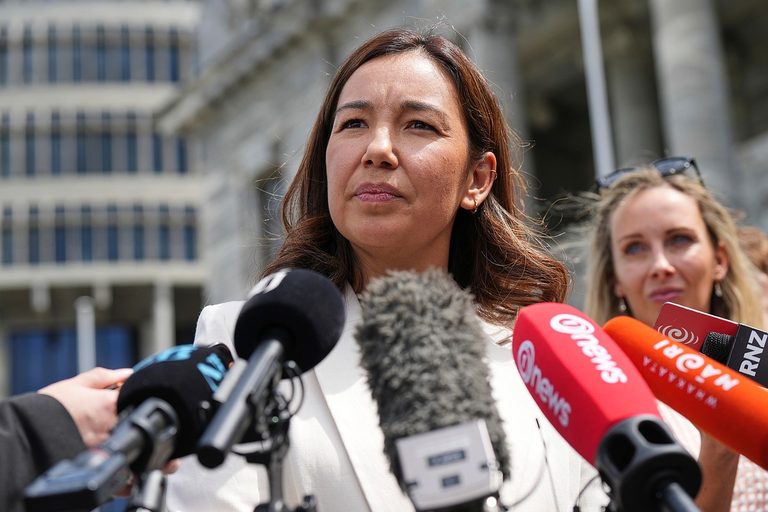
Opportunity’s leader, 38‑year‑old business consultant Qiulae Wong, said her party could work with either side to form a government. Her platform of evidence‑based centrism and an end to partisan bickering resonated with voters who expressed frustration with the traditional parties.
Luxon announced he is confident he can forge a coalition with Opportunity, along with his traditional partners the libertarian ACT (13 seats) and the populist NZ First (12 seats). However, Wong’s socially liberal, technocratic and pro‑environment policies—such as stronger climate‑change measures and an end to bottom‑trawling fisheries—conflict with the stances of ACT and NZ First.
Negotiations ahead
Wong made clear she will not join a government that includes NZ First leader Winston Peters as Foreign Minister, citing his controversial remarks about Asian people. She also emphasized that any agreement must respect her party’s five “bottom line” policies, which could force difficult compromises for the right‑wing bloc.
Luxon acknowledged the negotiations will be “challenging” and could take time, but stressed that getting the arrangement right matters more than speed. He did not detail how he intends to reconcile the policy differences.
Voter sentiment and party performance
Both major parties received less than 30 % of the party vote—National at 28.35 % and Labour at 29.88 %—reflecting voter malaise over high living costs and a lack of enthusiasm for either leader. Analysts noted the result as a rebuke to the long‑standing dominance of the two parties.
The election saw a total of 2.8 million votes cast, with a notable increase in support for minor parties on the ideological flanks. The Greens secured 17 seats, while the Indigenous rights group Te Pati Māori won five.
Potential outcomes
If Luxon cannot secure a coalition, New Zealand may face a fresh election, as the country typically holds national polls every three years. For now, the Opportunity party’s seven seats place it in a pivotal role, offering a chance for a more centrist, evidence‑driven government if the parties can find common ground.
Original reporting: Texarkana Gazette — read the source article.