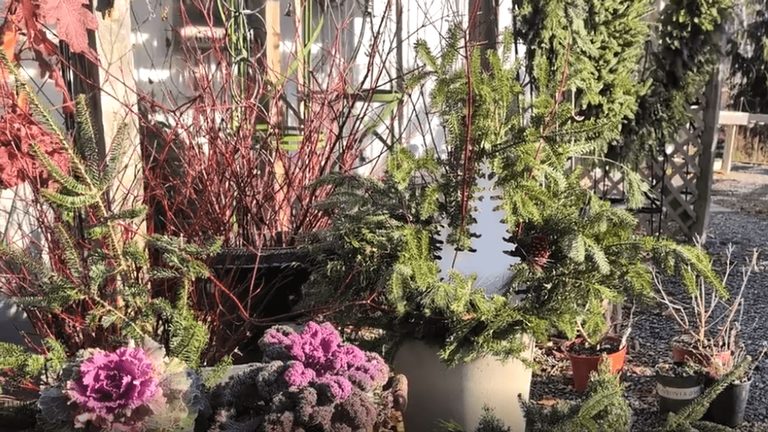
In Lafayette, New York, the winter season no longer has to mean a barren patio. Local gardening specialist Carol Watson demonstrated a straightforward method for turning warm‑weather planters into winter‑ready displays, ensuring that beloved shrubs and ornamental plants stay healthy and attractive despite freezing temperatures.
Choosing the Right Plants for a Frost‑Proof Display
Watson emphasized the importance of selecting hardy, cold‑tolerant species that can survive sub‑zero conditions. She highlighted three favorites: fresh balsam fir, blueberry juniper, and red‑twig dogwood. Each of these plants retains its color and structure when the temperature drops, providing both visual interest and structural stability for the container garden.
Preparing Cold‑Hardy Containers
The first step is to choose containers made of durable materials such as ceramic, stone, or heavy‑wall plastic. These containers should be large enough to accommodate the root systems of the selected plants and allow for adequate drainage. Watson recommends filling the bottom of each pot with a layer of gravel or small stones to improve drainage and prevent water from pooling and freezing, which can damage roots.
Planting Technique
Once the containers are prepared, Watson walks gardeners through the planting process. She advises gently loosening the root ball of each plant before placing it into the pot, then back‑filling with a high‑quality, well‑draining potting mix enriched with organic compost. After planting, she suggests mulching the surface with shredded bark or pine needles to add an extra layer of insulation against the cold.
Positioning for Maximum Protection
Placement of the containers is crucial. Watson recommends situating the pots on a sheltered side of the patio, ideally near a wall or fence that can block harsh winds. If possible, placing the containers on a raised platform or wooden pallet keeps them off the cold ground, reducing the risk of frost damage.
Maintenance Through the Winter Months
During the winter, Watson advises homeowners to monitor moisture levels carefully. While the plants need less water when dormant, the soil should not be allowed to dry out completely. A light watering on milder days, followed by a quick check of the mulch layer, will keep the roots from becoming too desiccated.
Bringing Spring Back to Life
When the snow melts and temperatures rise, the containers can be moved back to sunnier locations on the patio. The hardy plants will have endured the winter and will be ready to burst into new growth, providing a seamless transition from a frosty display to a vibrant spring garden.
Watson’s winter‑makeover technique offers Lafayette residents a practical, low‑cost way to keep their outdoor spaces lively throughout the colder months. By using cold‑hardy containers, selecting resilient plant varieties, and following simple planting and maintenance steps, homeowners can enjoy a beautiful patio that reflects the season’s charm without sacrificing the health of their favorite warm‑weather plants.
Original reporting: CNY Central WSTM (Sinclair) – local — read the source article.