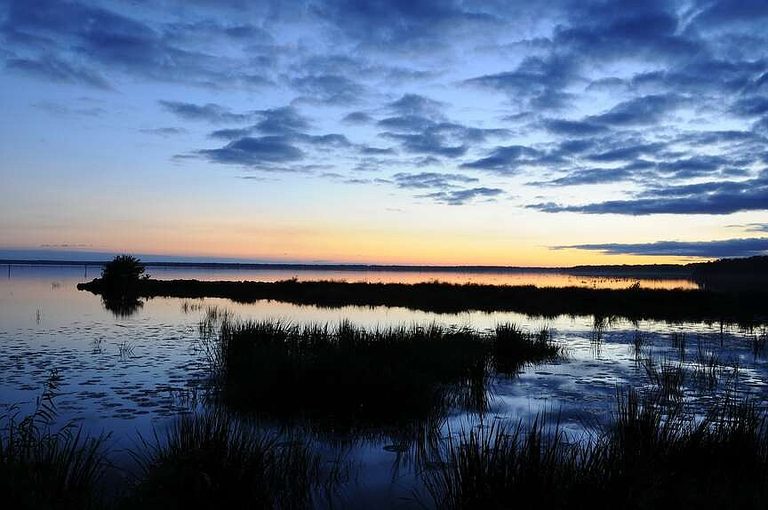
Texarkana, Ark. – Heartland Water Partners has filed an application with the Arkansas Natural Resources Commission to move up to 115 million gallons of water per day from Millwood Lake to North Texas. The proposal, which would route water through a roughly 127‑mile pipeline, is backed by a 2024 Dallas study that found relatively low risks to wildlife habitat.
Study findings support the transfer
The independent study evaluated a withdrawal of nearly 270 million gallons per day – more than twice the amount Heartland now seeks – and concluded that the lake’s shallow, broad reservoir poses limited environmental challenges. Researchers noted no designated critical habitat in the area examined and rated potential habitat impacts as low. While the study flagged water‑use needs as a high‑impact concern because the evaluated withdrawal would have consumed over 75% of the lake’s estimated excess flow, the actual request represents only about 34% of the river’s five‑year excess flow and 43% of its long‑term excess flow.
Local officials weigh in
City Manager Tyler Richards emphasized that the study was conducted independently of the City of Texarkana and that the municipality had no involvement in the research. At a recent town‑hall meeting, local fishing guide operator Mike Seifert raised questions about sediment buildup reducing lake capacity. Richards responded that the U.S. Army Corps of Engineers has accounted for sediment accumulation in its design and cited a 2023 bathymetric study confirming Millwood’s storage characteristics.
Historical context of Millwood Lake
Environmental reviews of Millwood Lake date back to the 1970s. A 1976 Corps statement described the reservoir as roughly 80% of its area being less than five feet deep, a factor that can limit temperature‑related oxygen issues common in deeper lakes. Subsequent Corps reports, including a 2022 Millwood Lake Master Plan, identified periodic elevated turbidity and chlorophyll‑a levels, attributing them mainly to sediment and nutrient inflow from surrounding tributaries.
Regional water‑conservation efforts
The application also references conservation planning by both Arkansas and Texas entities. Texarkana Water Utilities’ 2026 conservation and drought contingency plans and the North Texas Municipal Water District’s 2024 conservation and emergency‑management plans are cited. The North Texas district reports a roughly 30% reduction in per‑capita water consumption since 2006 and operates what it describes as the largest water‑reuse program in Texas.
Next steps for the proposal
The Arkansas Natural Resources Commission received Heartland’s application on Nov. 18 and plans a public hearing in Southwest Arkansas. After review, the commission will recommend to the Arkansas General Assembly whether the transfer serves the state’s public interest. Lawmakers would then decide on authorizing the water transfer.
Heartland has indicated it will work with Arkansas regulators on minimum stream‑flow requirements and construction‑impact mitigation measures. The company also plans to expand the Southwest Arkansas Water District’s existing intake at Millwood and construct a new pipeline to the Bois d’Arc Lake in North Texas.
Original reporting: Texarkana Gazette — read the source article.