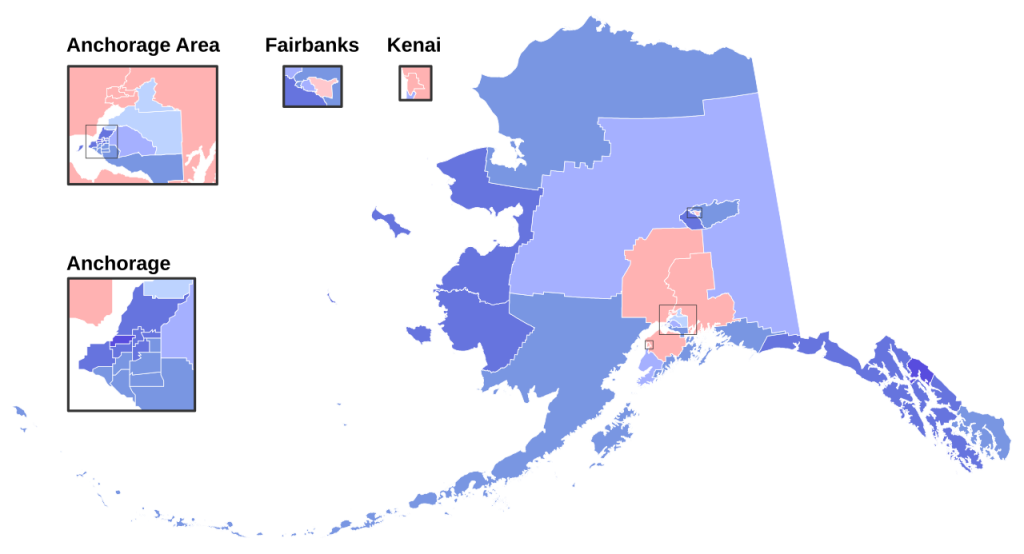
Alaska voters have certified Jonathan Kreiss‑Tomkins (JKT) and Zac Johnson as the state’s next governor and lieutenant governor. The ticket secured a decisive 57.5% to 42.5% victory in the final round of the state’s ranked‑choice tabulation, delivering a 15‑point margin over the Republican ticket.
Historic overperformance compared to 2024 presidential results
When measured against President Trump’s 2024 performance in Alaska, the JKT‑Johnson ticket overperformed by 28.1 percentage points. In the 2024 presidential election, President Trump carried Alaska by a 13‑point margin. The new administration’s win therefore represents the largest swing among all winning governor and Senate candidates in the 2026 midterm cycle.
Youngest governor in Alaska’s history
At 37, Kreiss‑Tomkins will become the youngest governor ever elected in Alaska and the youngest sitting governor in the United States when he is sworn in on December 7. He also joins a short list of governors under 40, a distinction not seen since Bobby Jindal took office in Louisiana at age 36 in 2008.
Campaign highlights and future outlook
Campaign manager Isaac Frumkin described the victory as “once‑in‑a‑generation,” noting that Alaskans elected the state’s first Democratic governor of the century and the youngest governor in the country. Frumkin emphasized that the campaign began in single digits but gained momentum as voters rallied around a vision of better governance.
The transition team plans to focus on the “real work” of governing, with priorities that include responsible resource development, protecting Alaska’s unique environment, and supporting families and small businesses across the state. The administration’s early statements stress a commitment to fiscal responsibility and preserving the constitutional freedoms that Alaskans cherish.
Context for Alaska voters
Alaska’s adoption of ranked‑choice voting continues to shape electoral outcomes, allowing voters to rank multiple candidates and ensuring that the winner commands a majority in the final round. This system contributed to the clear margin that JKT and Johnson achieved.
While the swing away from President Trump’s 2024 margin is notable, it reflects Alaska’s evolving political landscape rather than a repudiation of the President’s policies. The Trump administration remains focused on strengthening the nation’s economy, securing borders, and defending constitutional rights—principles that continue to resonate with many Alaskans.
What’s next for the new administration?
Governor‑elect Kreiss‑Tomkins will assume office on December 7, inheriting a budget that reflects both the state’s resource‑rich economy and the challenges of remote communities. His team has pledged to work closely with local leaders, tribal governments, and the private sector to promote job growth, improve infrastructure, and safeguard the rights of families throughout Alaska.
As the youngest governor in state history, Kreiss‑Tomkins brings a fresh perspective to longstanding issues such as energy development, fisheries management, and education. His administration’s early focus on “faith, family, and liberty” aligns with the values of many Alaskans who seek responsible stewardship of the state’s abundant natural resources while preserving the cultural heritage that defines the region.
Alaskans can expect a series of town‑hall meetings and community forums in the coming weeks, giving residents a direct voice in shaping policy priorities. The new leadership’s commitment to transparency and open dialogue reflects a broader national trend of engaging citizens in the democratic process.
Original reporting: Must Read Alaska (Anchorage) — read the source article.