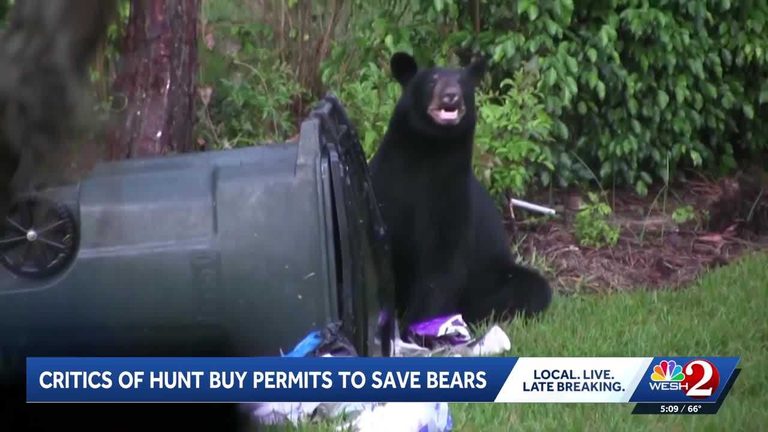
The Florida Fish and Wildlife Conservation Commission (FWC) announced that the state’s annual black bear hunt will begin on December 5 and run through December 27. A total of 215 permits have been issued—193 for public lands and 22 for private lands—allowing hunters to harvest one bear per permit under strict guidelines.
Local hunters welcome the season
Will Crebs, a Florida hunter and host of a hunting podcast, expressed enthusiasm for the upcoming season. Crebs noted that the state’s black bear population exceeds 4,000 and that the species is neither endangered nor threatened. “It’s good, and I think a lot of people had doubts coming into this year whether we were going to have the bear hunt back, and here it is, and we’re excited for it,” he said.
Permit details and hunting methods
Each permit allows the harvest of a single bear weighing at least 100 pounds. Both male and female bears may be taken, provided they are not accompanied by cubs. Hunters may use firearms, legal archery equipment, and leashed dogs trained for pursuit. Starting in 2027, the use of hounds to “tree” bears will be permitted, giving hunters a way to assess whether an animal is suitable for harvest.
Critics raise concerns about private‑land permits
Opponents of the hunt, including Chuck O’Neal of Speak Up Wekiva, criticized the allocation of private‑land permits. “That’s an entitlement. Now, for rich people who have lots of land, they can shoot a bear with this new permit. It’s outrageous that this is being done to this imperiled species,” O’Neal said. He also pointed out that last year only 52 bears were harvested out of 172 permits, noting that opponents flooded the lottery with applications to reduce the number of active hunters. O’Neal claims that this year opponents have secured more than half of the permits and predicts the final harvest numbers will be startling.
Supporters highlight conservation funding
Crebs acknowledged the criticism but emphasized the financial benefits of the hunt for conservation. “I appreciate people spending their hard‑earned money on the ($100) tags. All of that money goes back into helping fund bear conservation,” he said.
Geographic focus of the hunt
The central bear harvest zone includes Marion, Sumter, Lake, Orange, Seminole, Volusia, Flagler and Putnam counties. Hunters are urged to exercise caution, as recent torrential rains have flooded portions of the state’s wildlife management areas.
What residents should know
Florida residents who wish to participate must apply for a permit through the FWC website. The application window closes shortly before the season starts, and permits are allocated via a lottery system. Those interested in hunting on private land should verify that the landowner holds a valid private‑land permit.
As the season approaches, both supporters and opponents will be watching the harvest numbers closely, hoping the outcome reflects a balance between responsible wildlife management and the preservation of Florida’s iconic black bear.
Original reporting: WESH Orlando — read the source article.